Adenovirus: Symptoms, Causes, and Treatment Guide
I. Introduction
Most children catch at least one adenovirus infection before the age of ten. These infections often look like a simple cold. However, they can sometimes cause more serious illness.

Adenoviruses are a group of common DNA viruses. They can infect the respiratory tract, eyes, intestines, and urinary system. While most cases are mild, infants and people with weak immune systems face higher risks.
This Adenovirus: Symptoms, Causes, and Treatment Guide explains how to recognize early signs. It also covers how adenovirus spreads, how doctors diagnose it, and the best treatment options available.
II. Recognising Adenovirus Symptoms and Signs
Adenovirus symptoms depend on the body system involved. Some people develop respiratory illness. Others experience stomach or eye infections.
Understanding the symptom patterns helps with early care and prevention.
Common Respiratory Symptoms
First, many adenovirus infections affect the respiratory tract. These symptoms often resemble a cold or flu.

Common respiratory symptoms include:
Fever
Sore throat
Runny or blocked nose
Cough
Headache
Fatigue
In some cases, adenovirus causes acute bronchitis, also called a chest cold. Children may develop a harsh, barking cough known as croup.
If the infection spreads deeper, it can lead to pneumonia. This risk is higher in infants and immunocompromised patients.
Gastrointestinal and Intestinal Manifestations
Next, adenovirus can affect the digestive system. This is more common in young children.
Symptoms of adenoviral gastroenteritis include:
Watery diarrhoea
Vomiting
Abdominal pain
Low-grade fever
These symptoms usually appear 1–2 days after exposure. In infants, diarrhoea can lead to dehydration quickly.
Warning signs of dehydration include:
Dry mouth
Fewer wet diapers
Sunken eyes
Lethargy
Prompt hydration is essential.
Eye Infections and Other Specific Signs
Adenovirus also commonly causes eye infections.
Adenoviral conjunctivitis (pink eye) presents with:
Redness
Itching
Tearing
Thick discharge
Sensitivity to light
Less common symptoms may include:
Cystitis, causing painful urination or blood in urine
Meningitis, with headache, neck stiffness, and fever
Skin rashes in rare cases
These complications require medical evaluation.
III. Understanding the Primary Causes of Adenovirus
Adenoviruses spread easily. Their structure makes them difficult to eliminate.
Understanding why they persist helps reduce infection risk.
Hardy Viral Structure and Longevity
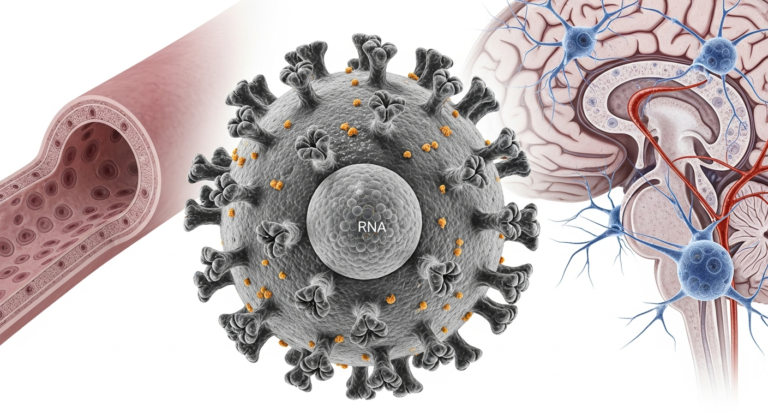
Adenoviruses lack an outer lipid envelope. This makes them more resistant than many other viruses.
Because of this structure:
Soap alone may not fully inactivate them
Alcohol-based sanitizers may be less effective
They survive on surfaces for weeks
Common contaminated surfaces include:
Doorknobs
Toys
Towels
Shared medical equipment
This durability explains frequent outbreaks.
How the Virus Spreads: Transmission Modes
Adenovirus spreads through several routes.
The main transmission methods include:
Close personal contact
Handshakes, hugging, or touching the faceAirborne droplets
Coughing or sneezing without covering the mouthFecal-oral route
Poor hand hygiene after diaper changesUnchlorinated water exposure
Swimming pools, lakes, or shared water facilities
Crowded places like schools and daycare centers increase transmission.
IV. Diagnosis and Identifying the Infection
Most adenovirus cases are diagnosed clinically. Testing is reserved for severe or unclear cases.
Clinical Assessment and Medical History
First, doctors assess symptoms and exposure history. Physical examination often provides enough clues.
Clinicians differentiate adenovirus from:
Influenza
Strep throat
COVID-19
Whooping cough
Mild cases usually do not require laboratory testing.
Laboratory Testing for Adenovirus
In severe cases, testing helps confirm the diagnosis.
Common tests include:
PCR testing, which detects viral DNA
Rapid antigen tests, using nasal or throat swabs
Stool tests for gastrointestinal illness
PCR testing is most accurate during the first week of illness.
Chest X-rays may be ordered if pneumonia is suspected.
V. Comprehensive Adenovirus Treatment Guide
There is no cure that directly kills adenovirus in most cases. Treatment focuses on symptom relief and supportive care.
At-Home Care and Symptom Relief
First, most mild infections recover at home.
Key home care steps include:
Hydration
Water, oral rehydration solutions, or breast milk for infantsFever control
Acetaminophen or ibuprofen (avoid aspirin in children)Rest
Reduces strain on the immune system
Humidified air may help relieve cough and congestion.
Managing Severe Cases and Hospitalisation
Next, severe infections require hospital care.
Hospital treatments may include:
Oxygen therapy for breathing difficulty
Intravenous fluids for dehydration
Mechanical ventilation in critical cases
In immunocompromised patients, doctors may consider cidofovir. This antiviral is not routinely used and requires close monitoring.
VI. Prevention and the Adenovirus Vaccine
Prevention remains the most effective strategy.
Effective Hygiene and Disinfection Practices
Simple hygiene steps significantly reduce risk.
Best prevention practices include:
Washing hands for at least 20 seconds
Using bleach-based disinfectants
Cleaning toys and shared surfaces regularly
Avoiding close contact when sick
Keeping swimming pools properly chlorinated
Good hygiene is especially important in childcare settings.
Status of the Adenovirus Vaccine
A vaccine does exist, but access is limited.
Key facts:
A live oral vaccine protects against adenovirus types 4 and 7
It is used only for U.S. military recruits
There is no adenovirus vaccine available to the general public
Research into broader vaccines continues.
VII. Conclusion
Adenoviruses are common, resilient viruses. Most infections are mild and self-limited. However, severe illness can occur in infants and high-risk individuals.
Early recognition of symptoms improves outcomes. Hydration, rest, and hygiene remain the foundation of care.
If high fever, breathing difficulty, or dehydration develops, seek medical care promptly.
FAQ: Common Questions About Adenovirus
Are adenoviruses contagious?
Yes. Adenoviruses spread easily through contact, droplets, and contaminated surfaces.
How long does adenovirus last?
Symptoms usually last a few days to two weeks. Cough may persist longer.
Can antibiotics treat adenovirus?
No. Antibiotics do not work against viral infections.
Can you get adenovirus more than once?
Yes. There are more than 50 different adenovirus types.