Combatting Menopause Weight Gain and Menobelly: Your Ultimate Guide to Midlife Health
Many women notice a sudden change in their bodies during midlife. Clothes feel tighter around the waist, even without eating more. This can feel confusing and frustrating.

The good news is this: combatting menopause weight gain and menobelly is possible. This guide explains why these changes happen and how to manage them with proven strategies.
By the end of this article, you will understand the hormones behind menobelly. You will also learn clear, realistic steps to protect your health long term.
Introduction: Understanding the “Meno-Belly” Shift
“Menobelly” refers to increased fat around the abdomen during midlife. This change often begins in perimenopause, the years before periods stop. Research shows women gain about 1–1.5 pounds per year during this transition.

Importantly, this weight gain is not about laziness or lack of willpower. It is driven by real biological changes.
With the right approach, combatting menopause weight gain and menobelly becomes achievable. It starts with understanding what’s happening inside your body.
Why Combatting Menopause Weight Gain and Menobelly Becomes a Challenge
Hormonal Shifts and Fat Redistribution
Oestrogen plays a major role in fat storage. Before menopause, fat is stored mainly in the hips and thighs. As oestrogen levels fall, fat storage shifts to the abdomen, leading to increased visceral fat.
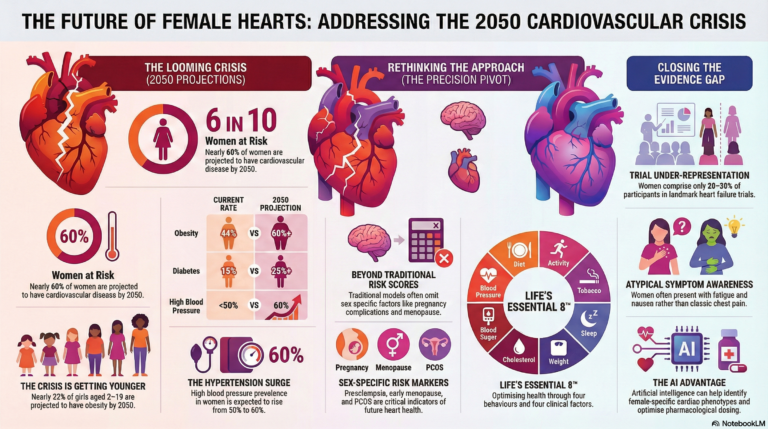
Visceral fat raises the risk of heart disease and diabetes. Hormonal changes also affect blood sugar control, and many women develop insulin resistance during menopause.
Insulin Resistance Explained Simply
Think of insulin as a key. It unlocks cells so sugar can enter and be used for energy. During menopause, the lock becomes rusty. The key does not work as well. As a result, sugar stays in the blood and is stored as belly fat.
Hormones like leptin and ghrelin also fluctuate, increasing appetite and cravings.
The Metabolic Slowdown: Muscle Loss (Sarcopenia)
Muscle mass naturally declines with age. Lower oestrogen speeds up this muscle loss, called sarcopenia. Muscle burns more calories than fat, even at rest. Less muscle means a slower metabolism.
If you eat the same as you did at 30, weight gain becomes likely. Without strength training, muscle loss continues and fat gain becomes easier.
The Vicious Cycle of Stress and Sleep
Menopause often disrupts sleep. Poor sleep raises cortisol, the stress hormone, which encourages abdominal fat storage. Fatigue reduces motivation to move, creating a “move less, eat more” cycle that reinforces menobelly.
Nutritional Strategies for Combatting Menopause Weight Gain
Prioritising Protein and Low-GI Carbohydrates
Nutrition is not about eating less. It is about eating smarter. Protein helps preserve muscle and control appetite. Aim to include protein at every meal:
- Greek yogurt
- Eggs
- Fish
- Tofu
- Nuts and seeds
Protein stabilises blood sugar, reducing cravings. Focus on low-glycaemic carbohydrates to prevent insulin spikes:
- Broccoli
- Cauliflower
- Lentils
- Oats
- Brown rice
Healthy fats like olive oil and avocado improve fullness and hormone balance.
The Mediterranean and Plant-Forward Approach
The Mediterranean diet supports heart, brain, and metabolic health. It emphasises:
- Vegetables and fruits
- Whole grains
- Fish and legumes
- Olive oil as the main fat
Studies show it reduces belly fat and inflammation. A plant-forward diet also improves gut health, supporting weight regulation and immunity.
The Best Exercises for Combatting Menobelly
Strength Training: The Gold Standard
Strength training directly counters muscle loss. Aim for 2–3 sessions per week using weights, resistance bands, or bodyweight exercises. Focus on compound movements:

- Squats
- Lunges
- Deadlifts
- Push-ups
- Planks
Strength training boosts metabolism, bone density, and posture.
Incorporating Aerobic and HIIT Sessions
Cardio protects the heart and improves mood. Aim for 150–300 minutes per week of moderate activity like walking, cycling, or swimming. Add HIIT once or twice weekly for faster fat loss and improved insulin sensitivity.
Medical and Lifestyle Support for Combatting Menobelly
The Role of Hormone Therapy (HRT/MHT)
Hormone therapy is not a weight-loss treatment, but evidence shows it does not cause weight gain. It may help prevent abdominal fat accumulation and improve sleep, making activity easier.
Seeking Professional Guidance
Barriers like joint pain or pelvic floor issues can be addressed by a physical therapist. In some cases, medical weight management or medications may help. Professional support removes guesswork and accelerates progress safely.
Conclusion: Consistency Is Key in Combatting Menopause Weight Gain
Managing menobelly requires a multi-layered approach. Success comes from:
- Preserving muscle
- Managing insulin
- Improving sleep
- Reducing stress
Small steps matter more than perfection. Consistency beats intensity every time. Start today with one change—like a short walk or added protein at breakfast.
Frequently Asked Questions
Does HRT cause weight gain?
No. Research shows women on hormone therapy do not gain more weight than others. Some studies suggest it reduces belly fat accumulation.
Why am I gaining weight even though I eat the same?
Metabolism slows with age and muscle loss. Lower oestrogen affects fat storage. To maintain weight in your 50s, you may need 200 fewer calories per day. Strength training helps offset this change.
What is the fastest way for combatting menopause weight gain and menobelly?
There is no quick fix. The most effective approach combines:
- Strength training
- High-protein, plant-forward nutrition
- Stress and sleep management
Is belly fat dangerous during menopause?
Yes. Visceral fat increases the risk of:
- Heart disease
- Type 2 diabetes
- Dementia
- Certain cancers
Reducing it improves long-term health and longevity.
Final takeaway: Menopause changes the rules, but it does not remove control. With the right tools, combatting menopause weight gain and menobelly is absolutely achievable.