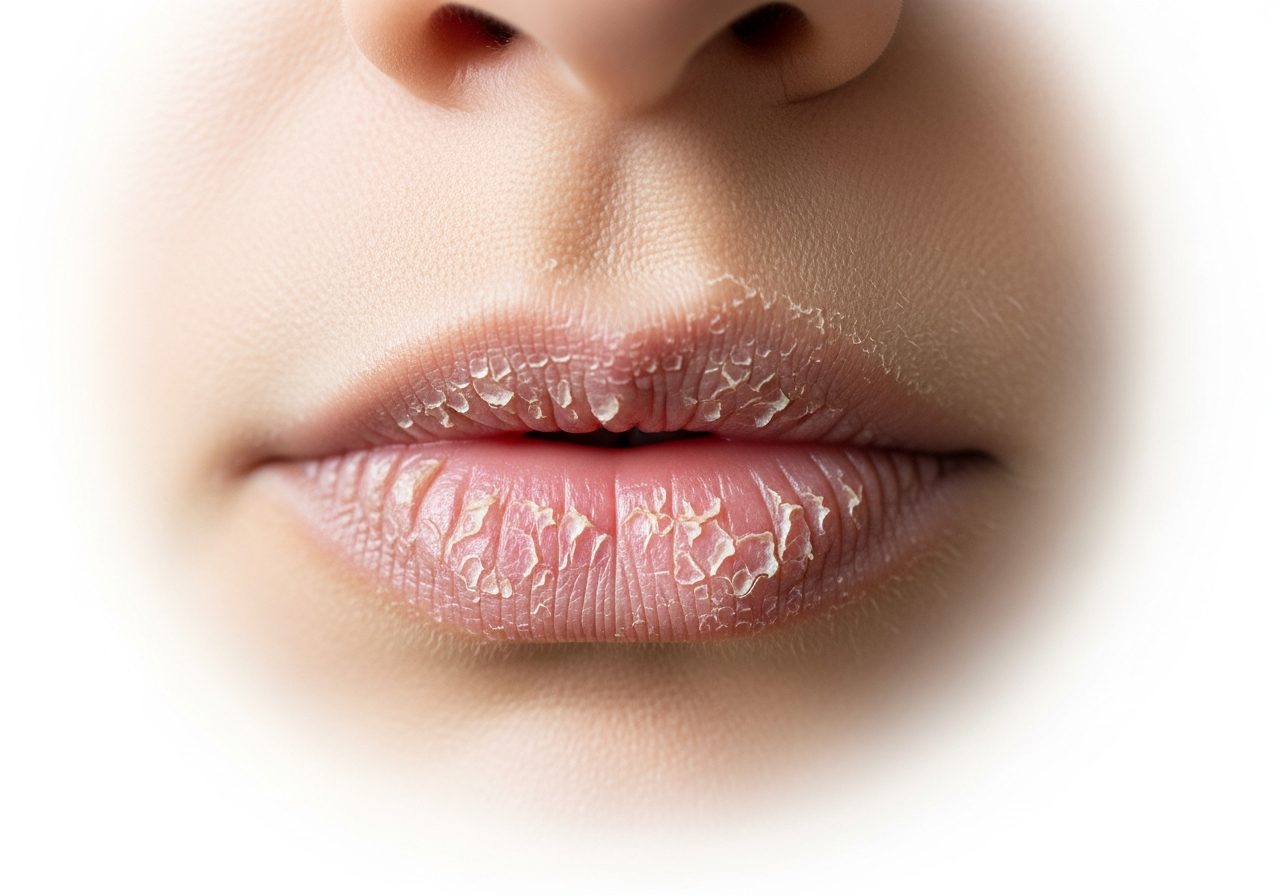
Persistent dry lips may be linked to dehydration, allergies, or vitamin deficiencies.
Clinical Management and Classification of Cheilitis Subtypes
Do your lips feel constantly dry, tight, or painful? While many people think they just have “chapped lips,” it might be a medical condition called cheilitis. This article will teach you about the clinical management and classification of cheilitis subtypes so you can find relief. You will learn how to identify different types and when to see a doctor.
What is Cheilitis and Why Does it Happen?
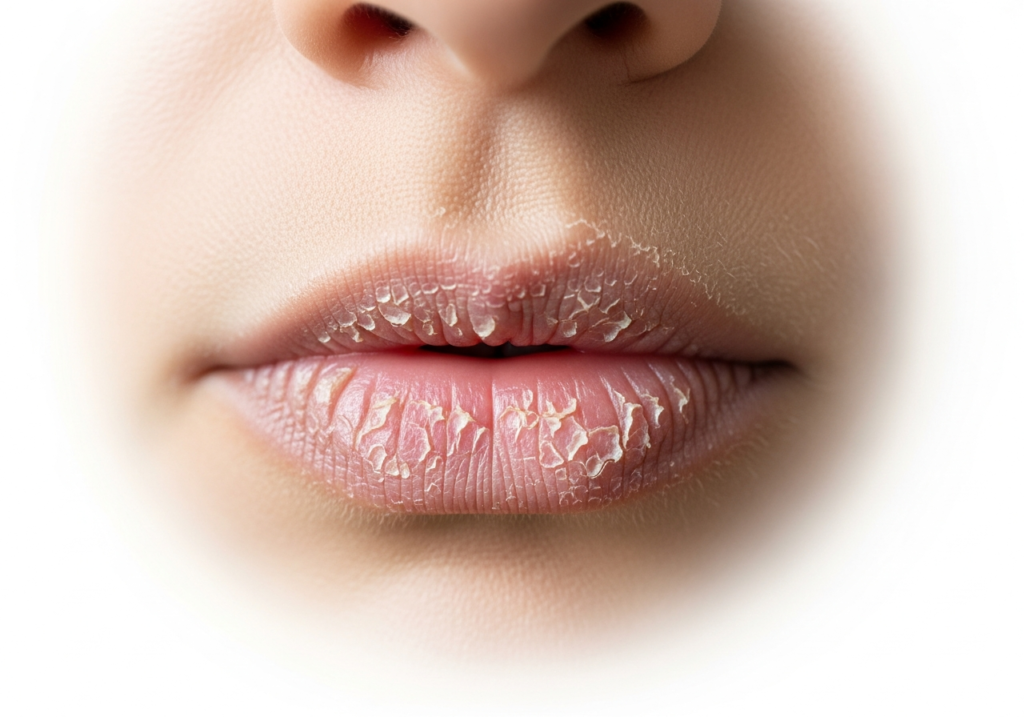
Cheilitis is the medical name for lip inflammation. It can make your lips look red, scaly, or cracked. Your lips are very thin and sensitive compared to other skin. They do not have any oil glands to keep them moist. This means they dry out much faster than your face or hands.
Common things like cold weather or sun damage cause most cases. However, some types come from infections or allergies. Understanding the clinical management and classification of cheilitis subtypes helps doctors pick the right treatment. Without the right care, some types can lead to serious health issues.
How Do Doctors Classify Cheilitis Subtypes?
Experts use a special system for the clinical management and classification of cheilitis subtypes. They usually group them into three main categories based on how long they last and what causes them.
1. Reversible or Transitory Subtypes
These are types that usually go away once you treat the cause. Common examples include:
- Cheilitis simplex: Simple chapped lips caused by weather or licking.
- Angular cheilitis: Inflammation at the corners of the mouth.
- Contact cheilitis: An allergic reaction to something like lipstick or toothpaste.
- Drug-induced cheilitis: Dryness caused by medications like acne treatments.
2. Persistent or Irreversible Subtypes
These types last a long time and often need a skin biopsy to diagnose.
- Actinic cheilitis: Damage caused by years of sun exposure.
- Granulomatous cheilitis: Chronic swelling that may be linked to other diseases.
- Glandular cheilitis: A rare condition affecting the small spit glands in the lips.
3. Subtypes Linked to Other Diseases
Sometimes, lip problems are a sign of a bigger health issue. This includes conditions like lupus, Crohn’s disease, or severe dry mouth.
What is the Clinical Management for Angular Cheilitis?
Angular cheilitis causes painful cracks at the corners of your mouth. It affects about 0.7% of people and is common in both children and seniors.
Identifying the Infectious Causes
First, doctors check for infections. Most cases involve a fungus called Candida. Bacteria like Staph aureus can also cause it, often creating yellow crusts. Sometimes, it is a “polymicrobial” infection, meaning both fungus and bacteria are present.
Management and Treatment Steps
Next, the clinical management and classification of cheilitis subtypes for this condition focuses on three steps:
- Treat the infection: Doctors often prescribe antifungal or antibacterial creams.
- Use a barrier: Applying thick ointments like zinc oxide or petrolatum at night helps the skin heal.
- Fix the root cause: If dentures do not fit well, they can cause saliva to pool in the corners of the mouth. Fixing the “bite” or vertical height of the face can stop the problem from coming back.
How Does Actinic Cheilitis Affect Your Health?
Actinic cheilitis is a very important part of the clinical management and classification of cheilitis subtypes because it can be dangerous. It is caused by long-term sun exposure.
Recognizing the Symptoms
It mostly appears on the lower lip of people over age 40. You might notice your lips feel like sandpaper or look white and scaly. The line between your lip and skin might start to disappear. It is usually not painful, which is why many people ignore it.
Why Treatment is Necessary
Actinic cheilitis is considered “precancerous”. If left alone, it can turn into a type of skin cancer called squamous cell carcinoma.
Treatment Options
Management often includes:
- Topical medications: Creams like fluorouracil kill damaged cells.
- Surgery: Doctors can use liquid nitrogen to freeze the area (cryotherapy) or use an electric current to remove tissue (electrosurgery).
- Prevention: Wearing a wide-brimmed hat and using SPF 30 lip balm every day is vital.
Which Ingredients Help or Hurt Your Lips?
Choosing the right products is a huge part of the clinical management and classification of cheilitis subtypes. Not all lip balms are equal.
Ingredients to Look For
Dermatologists recommend these ingredients to repair the lip barrier:
- Ceramides: These are natural fats that help keep moisture in the skin.
- Petrolatum: This forms a thick seal to stop water from evaporating.
- Dimethicone: This helps protect and smooth the lip surface.
- Hyaluronic acid: This ingredient can hold a lot of water to keep lips plump.
Ingredients to Avoid
Many products have ingredients that feel “cooling” but actually dry your lips out. Stop using products with:
- Menthol, camphor, or phenol.
- Fragrances or strong flavors like mint, cinnamon, and citrus.
- Salicylic acid.
- Lanolin, if you have sensitive skin.
Does a Vitamin Deficiency Cause Dry Lips?
Yes, your diet plays a big role in the clinical management and classification of cheilitis subtypes. If your lips stay dry despite using balm, you might be low on certain nutrients.
Vital B Vitamins
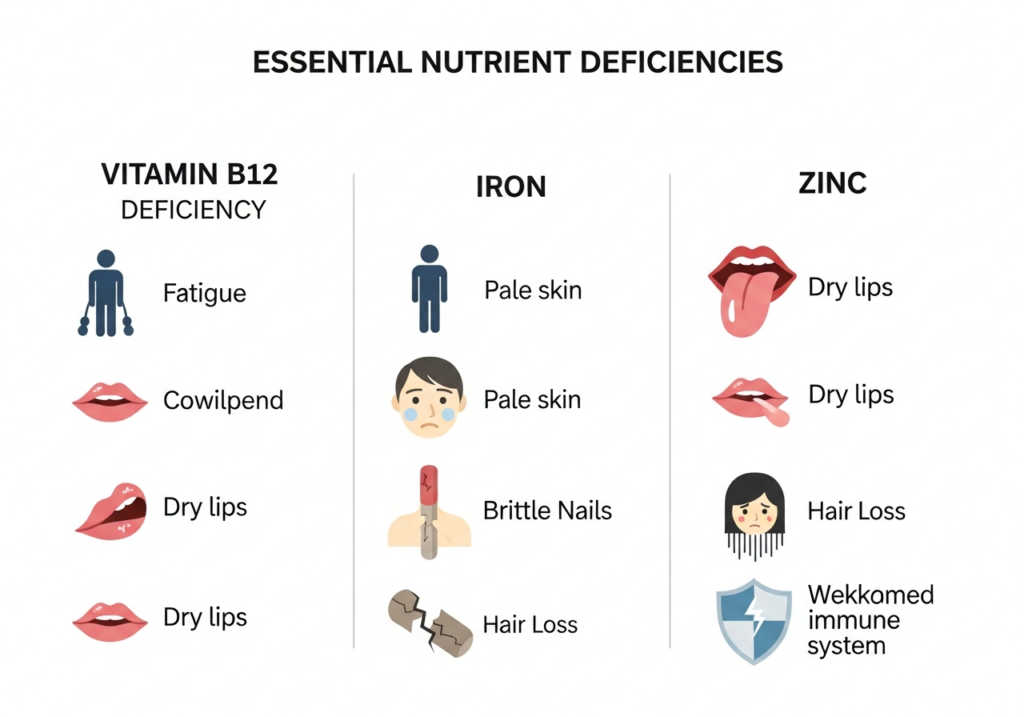
Lack of B vitamins is a common cause of lip inflammation.
- Vitamin B2 (Riboflavin): Low levels can cause swollen, cracked lips.
- Vitamin B3 (Niacin): Severe deficiency leads to “pellagra,” which causes mouth sores.
- Vitamin B6 and B12: Deficiencies in these can lead to scaly lips and cracks at the corners.
Iron, Zinc, and Vitamin C
- Iron: Low iron is a major cause of angular cheilitis and lip peeling.
- Zinc: This mineral is essential for skin health; without it, lips can become very chapped.
- Vitamin C: Severe lack of Vitamin C causes “scurvy,” which prevents wounds from healing and causes oral sores.
My Opinion as a Medical Professional
In my clinical experience, the most common mistake patients make is the “cycle of irritation.” Many people feel a slight sting from a flavored lip balm and think the product is “working.” In reality, that stinging is a sign of damage. If you are constantly applying balm and your lips are not healing, the balm itself might be the problem.
I always tell my patients to follow the “Two-Week Rule.” If you use a plain, fragrance-free ointment like 100% white petroleum jelly for two weeks and see no improvement, you must see a specialist. Chronic lip inflammation is not just a cosmetic issue; it can be a window into your internal health or a warning sign of sun damage that needs expert care.
How to Build a Better Lip Care Routine?
Effective clinical management and classification of cheilitis(dry lips) subtypes starts with daily habits.
Morning and Daytime Care
First, apply a non-irritating lip balm with SPF 30 or higher before going outside. Reapply it every two hours while you are outdoors. Next, drink plenty of water throughout the day to stay hydrated from the inside out. Finally, avoid holding metal objects like paperclips or jewelry with your lips, as this can cause irritation.

Nighttime Protection
Before bed, apply a thick layer of white petroleum jelly. This seals in moisture while you sleep. If you breathe through your mouth at night, use a humidifier in your bedroom to keep the air from drying your lips out.
Break the Habits
Finally, stop licking, biting, or picking at your lips. Saliva has digestive enzymes that eat away at the lip’s protective layer. As saliva evaporates, it takes the lip’s natural moisture with it. If you feel the urge to lick, apply a thick ointment instead.
Conclusion
Understanding the clinical management and classification of cheilitis subtypes is the key to healthy lips. Most simple cases will heal in two to three weeks with the right care. However, if your lips are bleeding, scaly, or have persistent sores, do not wait. Consult a board-certified dermatologist to ensure you receive the correct diagnosis and treatment plan.
Frequently Asked Questions (FAQ)
Q: Why won’t my chapped lips heal?
A: If they don’t heal in 3 weeks, it could be an allergy, an infection, or a precancerous condition like actinic cheilitis. You should see a doctor for a visual exam or biopsy.
Q: Can I use “natural” remedies like honey?
A: Yes, honey is a natural humectant that draws in moisture. You can mix it with avocado for a DIY mask, but always follow up with a thick balm to seal it in.
Q: Is it okay to use flavored lip balms?
A: It is best to avoid them while your lips are healing. Flavors like cinnamon, citrus, and mint are very common irritants.
Q: How often should I apply lip balm?
A: Apply it whenever your lips feel dry, after eating or drinking, and before you go to sleep. If you are outside, reapply your SPF balm every two hours.
Q: Does cold weather cause cheilitis?
A: Yes, cold air and low humidity strip moisture from the lips. This is why many people get “cheilitis simplex” or “lip licker’s dermatitis” in the winter.