Meta Title
2025–2026 Respiratory Season: Subclade K, Flu Surge, Public Health Shifts
Meta Description
The 2025–2026 respiratory season is driven by Subclade K (H3N2) and major public health shifts. Learn risks, vaccines, antivirals, and prevention.
Introduction
The 2025–2026 respiratory season is shaping up to be one of the most challenging in recent years. A new influenza variant, known as Subclade K, is spreading rapidly across multiple countries. At the same time, public health policies and messaging are changing.
This combination has created what experts describe as a “perfect storm.” A highly mutated virus is circulating in a population with declining immunity. Fewer people are getting vaccinated, and hospitals are already under strain.
In this article, you will learn what Subclade K is, why it matters, how public health shifts are affecting immunity, and what practical steps still protect you this season.
Influenza Dynamics and the Impact of Subclade K
The Molecular Evolution of H3N2 Subclade K
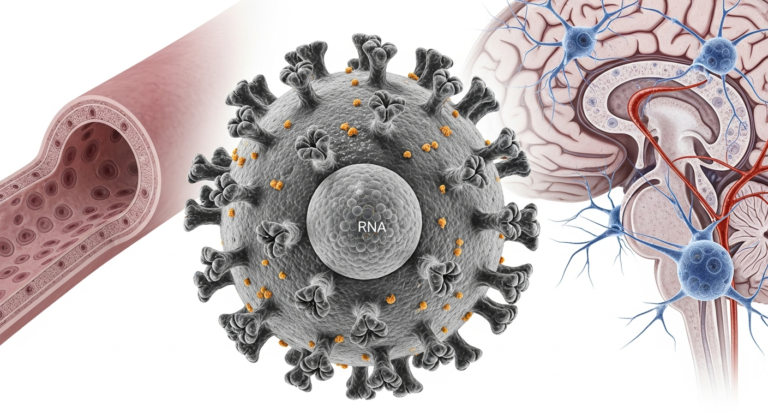
Subclade K is a newly evolved branch of the H3N2 influenza virus. It was previously classified as J.2.4.1. Over time, it accumulated 7–10 key mutations in the hemagglutinin (HA) gene.
These mutations cluster near the receptor‑binding site — critical for how the virus attaches to human cells. Changes here help the virus avoid antibodies formed from past infections or vaccines.
Key mutations include:
- T135K
- K189R
- N158D
Together, these changes improve immune evasion and viral fitness. Early data also suggests higher viral loads and longer viral shedding, explaining the fast global spread.
Global Dominance and Surveillance Metrics
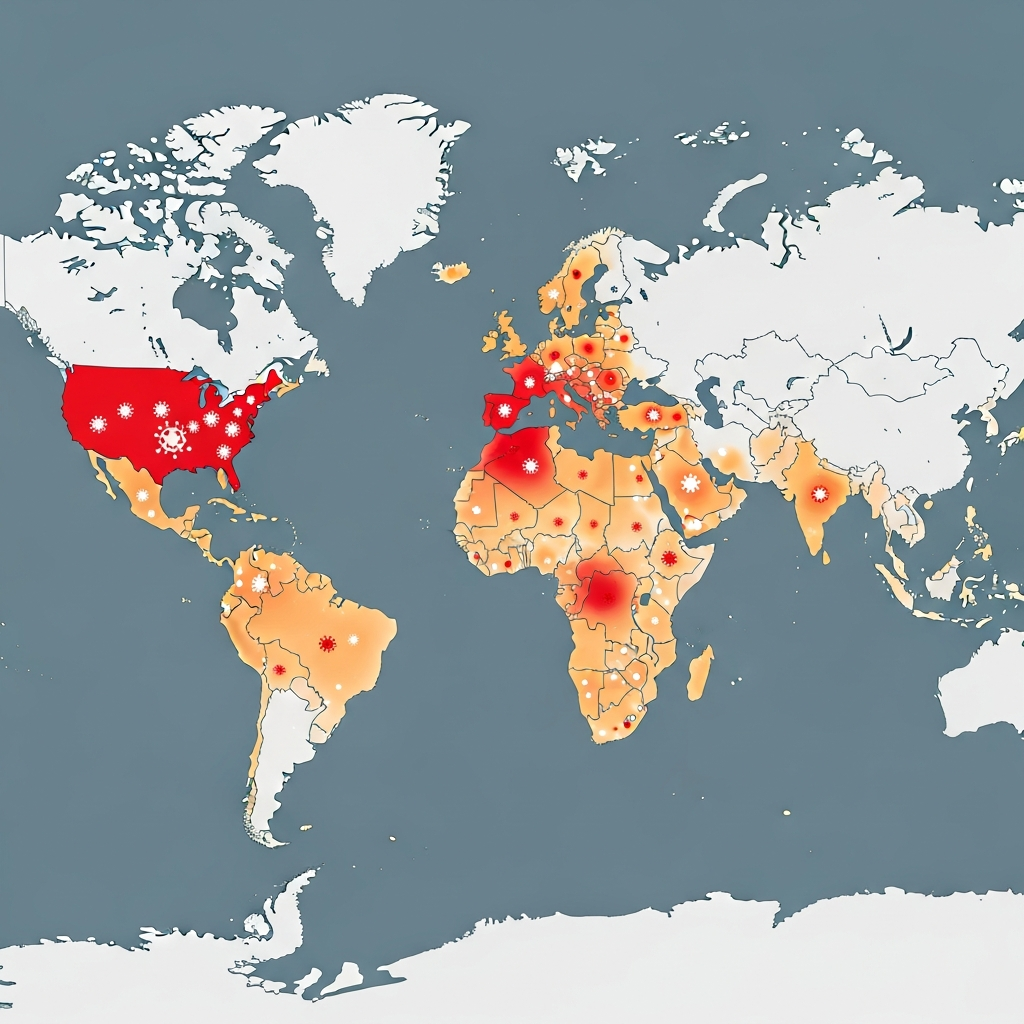
Subclade K has rapidly become the dominant H3N2 strain worldwide. Surveillance data shows it now represents 89–90% of sequenced H3N2 samples in:
- United States
- United Kingdom
- Canada
- Japan
In the U.S., the heaviest activity is seen in HHS Region 8 (Mountain West). New York reported a single‑week total of 71,123 laboratory‑confirmed cases, the highest on record.
Compared with the 2024–2025 season, this year is already more severe. By mid‑December, total influenza illnesses were more than double those seen during the previous high‑severity season.
Public Health Shifts and Declining Immunity
Federal Policy Changes
The 2025–2026 season is the first under major public health messaging changes. One notable shift was the suspension of the CDC’s “Wild to Mild” campaign, which focused on non‑sterilising immunity.
It has now been replaced by a broader “awareness and empowerment” approach, emphasizing general health choices rather than direct vaccination promotion. Changes in language around vaccines and neurodevelopmental outcomes have also raised concern, contributing to declining public trust.
Decline in Vaccination Rates
Vaccination coverage has fallen sharply this season:
- 12% overall drop compared with 2024
- 14% decrease among adults aged 65+
- Retail pharmacies administered 2 million fewer doses by October 2025
Lower vaccination rates mean less community protection, allowing Subclade K to spread more easily and reach vulnerable populations faster.
Co‑Circulating Threats and Hospital Capacity
COVID‑19, RSV, and Divergent Lineages
- COVID‑19 continues to circulate, with the divergent BA.3.2 lineage drawing attention.
- RSV activity is rising, especially in the Southeastern and Mid‑Atlantic regions.
- Even stable trends add pressure when combined with a severe flu season.
Measles Resurgence
Multi‑state measles outbreaks are threatening the country’s elimination status. Measles can induce immune amnesia, wiping out existing immune memory and leaving children more vulnerable to influenza complications such as pneumonia and sepsis.
The “Boarding” Crisis
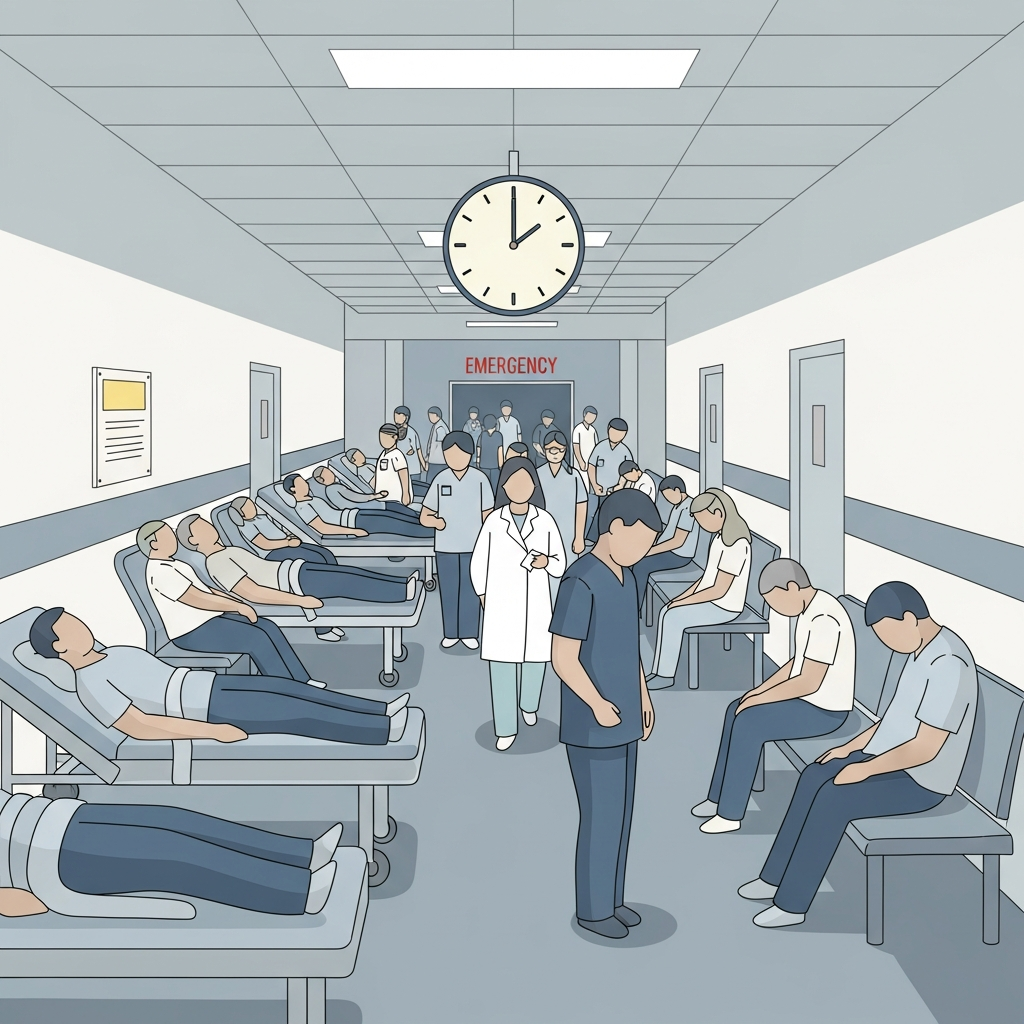
Hospitals are already strained:
- 35% of admitted patients wait four hours or longer for inpatient beds.
- Boarding leads to higher medical error rates, delayed treatments, and staff burnout.
A prolonged respiratory surge could further weaken already stretched systems.
Protection and Clinical Guidance
Vaccine Match vs. Effectiveness
The 2025–2026 flu vaccine is not a perfect match for Subclade K (strain A/Croatia/10136RV/2023). Still, vaccination provides meaningful protection:
- 72–75% effectiveness in children
- 30–39% effectiveness in adults for preventing hospitalisation
Even partial protection reduces ICU admissions and deaths.
Early Antiviral Treatment
Subclade K remains sensitive to:
- Oseltamivir (Tamiflu)
- Baloxavir (Xofluza)
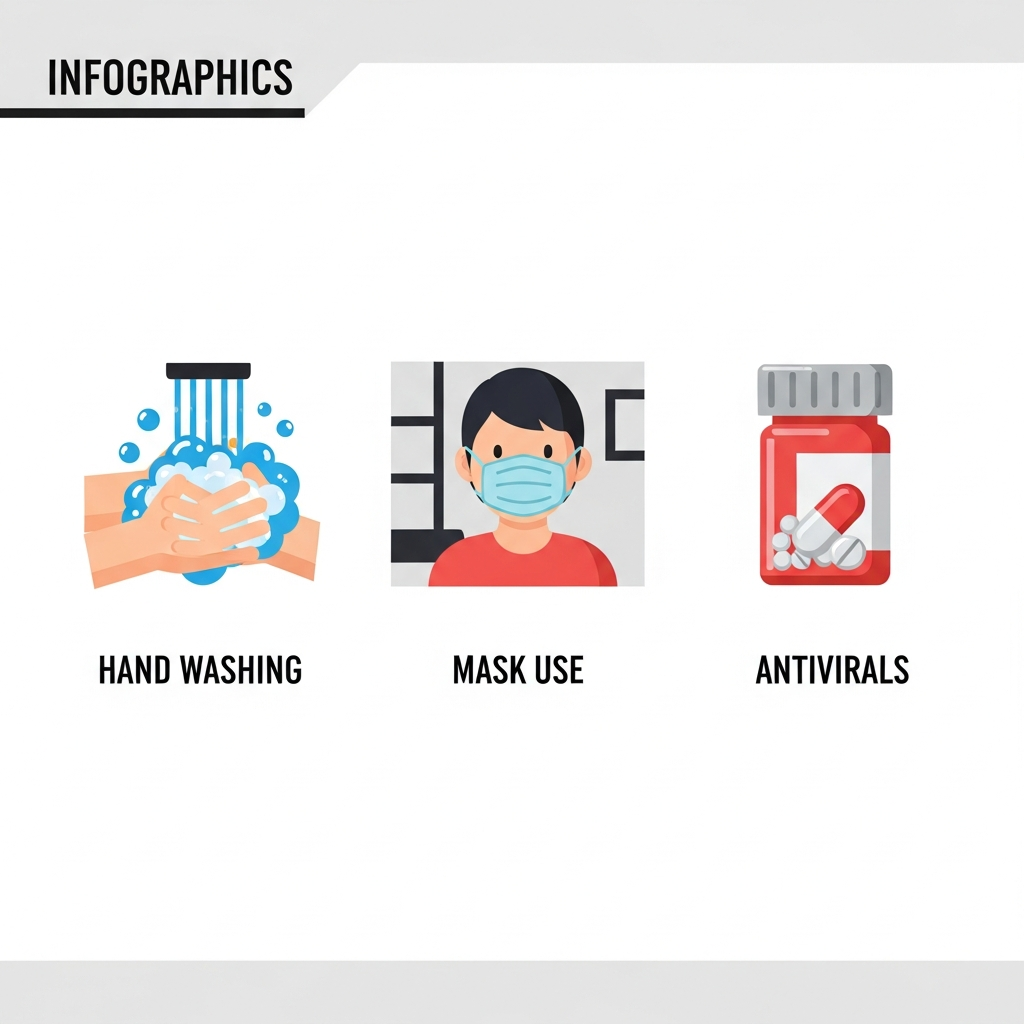
Antivirals work best within 48 hours of symptom onset. Rising demand has caused shortages, so clinicians stress starting treatment based on symptoms, even before lab confirmation.
Everyday Prevention
Simple steps still matter:
- Wash hands regularly
- Use alcohol‑based sanitiser
- Cover coughs and sneezes
- Stay home when sick
- Wear masks in clinical or crowded indoor settings
Conclusion
The 2025–2026 respiratory season is defined by a highly evolved influenza variant and shifting public health strategies. Subclade K has demonstrated strong transmission advantages, while community immunity is declining.
Despite challenges, tools still exist: vaccination, early antiviral treatment, and basic prevention can reduce severe outcomes. As the season approaches its February peak, vigilance and science‑based decisions remain essential.
FAQ: 2025–2026 Respiratory Season & Subclade K
What is Subclade K and why is it concerning?
A new H3N2 variant with mutations that help it evade immunity, leading to faster spread.
Does the 2025–2026 flu vaccine still work?
Yes. While not a perfect match, it reduces severe illness, hospitalisation, and death.
What symptoms should I watch for?
Sudden fever, cough, sore throat, fatigue, body aches. Children may also have vomiting or diarrhoea.
Are public health recommendations changing this year?
Yes. Messaging now focuses more on individual empowerment, though experts still recommend vaccination.
Analogy for Understanding Subclade K
Think of a vaccine as GPS directions for your immune system. Subclade K is like a destination that changed its postcode by one digit. Your immune system still gets close, but the delay gives the virus time to cause illness.
Yes. Messaging now focuses more on individual empowerment, though experts continue to recommend vaccination as the best protection.
Analogy for Understanding Subclade K
Think of a vaccine as GPS directions for your immune system. Subclade K is like a destination that changed its postcode by one digit. Your immune system still gets close, but the delay gives the virus time to cause illness.