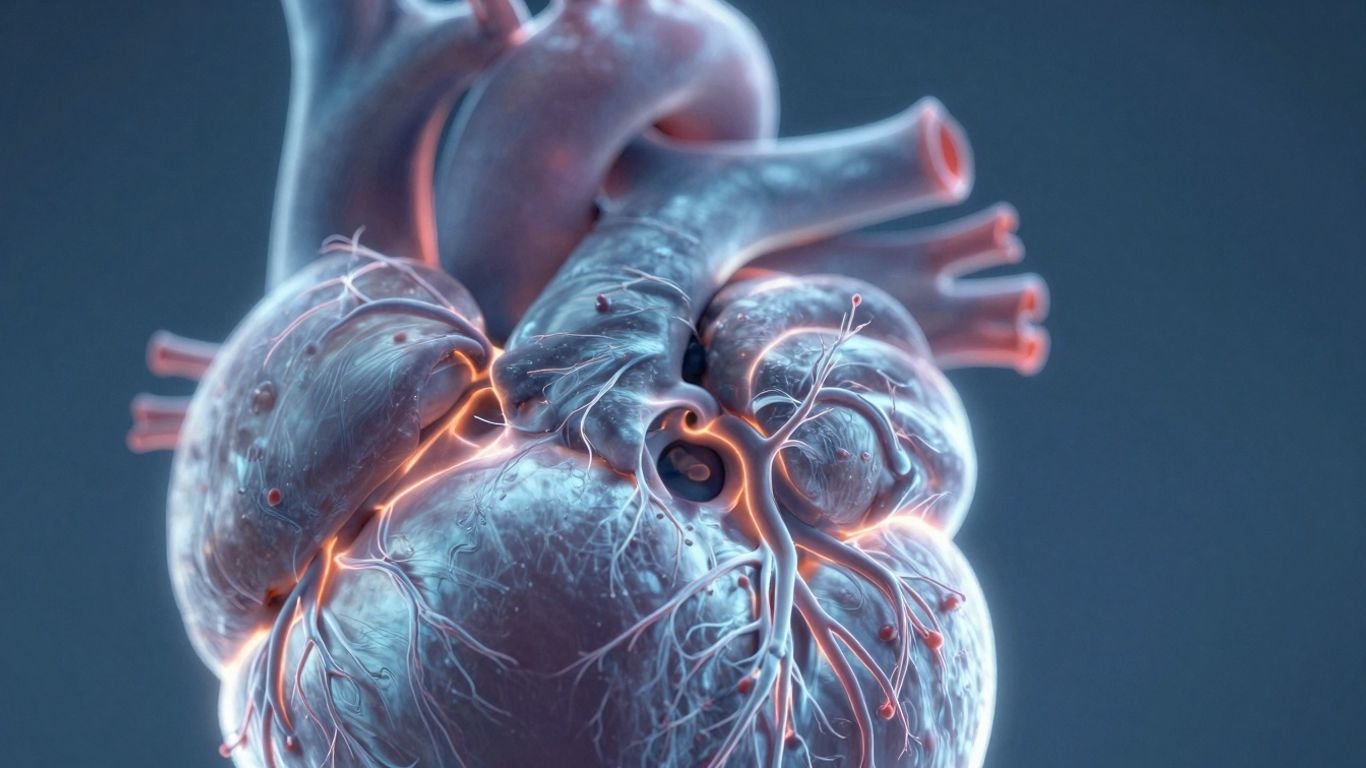
So, it turns out our heart and brain are way more connected than we might think. There’s this nerve, the vagus nerve, that acts like a hotline between them. A recent international study is shining a light on how this nerve plays a big part in keeping our hearts healthy as we get older. It’s like a built-in system that helps keep things running smoothly, and when it starts to slow down, our hearts can show signs of aging. This research is pretty interesting because it opens up new ideas about how we can look after our hearts.
Key Takeaways
- The vagus nerve is a major communication line between the heart and the brain, influencing heart rate and overall cardiac function.
- As we age, vagus nerve activity, or ‘vagal tone,’ can decrease, which is linked to signs of cardiac aging and reduced heart rate variability.
- The heart-brain connection isn’t just one-way; the brain also influences heart health, and disruptions can impact how our heart ages.
- Understanding vagus nerve aging is becoming important for finding ways to combat age-related heart issues and promote longevity.
- New methods, like vagus nerve stimulation, are being explored as potential ways to support heart health and potentially slow down cardiac aging.
The Vagus Nerve’s Role in Cardiac Health

Understanding Vagal Influence on the Heart
The vagus nerve, often called the “wandering nerve” because of its extensive path from the brainstem down to the gut, is a major player in our body’s communication network. It’s a key part of the parasympathetic nervous system, which is responsible for the “rest and digest” functions. When it comes to your heart, the vagus nerve acts like a brake pedal. It helps slow down your heart rate and can even reduce the force of your heart’s contractions. This nerve sends signals from your body back to your brain, letting it know what’s going on internally. This constant feedback loop is vital for keeping your cardiovascular system in balance.
Vagus Nerve Activity and Heart Rate Variability
Ever heard of heart rate variability (HRV)? It’s basically the slight variation in time between each heartbeat. A higher HRV generally means your body is more adaptable and resilient, often linked to good vagal tone. Think of it like this: a steady, unchanging rhythm might seem consistent, but a little bit of natural fluctuation shows your system can respond flexibly to different demands. Low HRV, on the other hand, can be a sign of stress or that your body is stuck in a more “fight or flight” mode. Measuring HRV gives us a window into how well your vagus nerve is doing its job of regulating your heart. It’s a pretty neat way to get a snapshot of your autonomic nervous system’s health. You can find more information on how the vagus nerve influences your heart here.
Impact on Cardiac Aging
As we get older, our vagal tone tends to decrease. This means the “brake” on our heart becomes less effective. This decline is linked to a number of age-related changes in the heart, including a stiffer heart muscle and a reduced ability to respond to stress. A weaker vagal signal can contribute to a faster resting heart rate and a less adaptable cardiovascular system. It’s like the nerve’s ability to keep the heart calm and collected diminishes over time. This is where the international study really sheds light on how maintaining or even improving vagal function could be a way to keep the heart healthier for longer, potentially slowing down some of the natural aging processes it undergoes.
Here’s a quick look at what happens:
- Decreased Vagal Tone: The nerve’s ability to slow the heart weakens.
- Reduced HRV: Heartbeats become more regular, showing less adaptability.
- Increased Cardiac Stiffness: The heart muscle becomes less flexible.
- Slower Recovery: The heart takes longer to return to normal after exertion.
The connection between the vagus nerve and heart health isn’t just theoretical; it’s a biological reality that impacts how our hearts function day-to-day and how they age over time. Paying attention to this nerve could be key to long-term cardiovascular well-being.
The Heart-Brain Connection Explained
It’s pretty wild when you think about it – your brain and your heart aren’t just hanging out separately. They’re constantly chatting, sending signals back and forth. This constant communication is super important for keeping everything running smoothly, especially when it comes to keeping your heart healthy and young.
Bidirectional Communication Pathways
This isn’t a one-way street. Your brain talks to your heart, telling it to speed up or slow down, and your heart also sends messages back to your brain. These signals travel through various nerves, with the vagus nerve being a major player. Think of it like a busy phone line connecting two important offices.
Neurovisceral Integration and Well-being
When this connection works well, it’s called neurovisceral integration. It means your brain and your internal organs, like your heart, are working together in sync. This integration is linked to feeling good, managing stress, and generally being healthy. When it’s off, things can start to go wrong, affecting both your mood and your physical health.
How the Brain Influences Heart Function
Your brain can directly impact your heart’s rhythm and strength. For example, when you’re stressed, your brain signals your heart to beat faster. This is a survival mechanism, but if it happens too often, it can put a strain on your heart over time. The brain also influences how your heart responds to different situations, like exercise or rest.
Here’s a simplified look at the signals:
- Brain to Heart:
- Sympathetic nervous system (fight or flight): Speeds up heart rate.
- Parasympathetic nervous system (rest and digest, via vagus nerve): Slows down heart rate.
- Heart to Brain:
- Signals related to blood pressure and heart function.
- Influences emotional states and stress responses.
The constant dialogue between the brain and heart isn’t just about immediate reactions; it shapes long-term health. A brain that’s constantly sending stress signals can lead to a heart that ages faster, while a well-regulated connection promotes resilience and longevity for the cardiovascular system.
Investigating Vagus Nerve Aging
Changes in Vagal Tone Over Time
So, what actually happens to our vagus nerve as we get older? It’s not just our skin that shows signs of aging, our internal wiring does too. Think of vagal tone like the nerve’s baseline activity level. When we’re young, this tone is generally pretty robust, meaning the nerve is sending strong signals. But over the years, this tone tends to decrease. It’s a gradual process, not like a switch flipping off, but more like a dimmer slowly being turned down. This reduction in vagal tone means the nerve isn’t quite as effective at its job of calming things down, especially when it comes to our heart.
Vagus Nerve Function and Age-Related Decline
When vagal tone dips, it can really impact how our body handles stress and recovery. A key indicator of this is heart rate variability (HRV). High HRV usually means your heart can quickly adjust its rhythm to different situations, which is a sign of a healthy, adaptable system, largely thanks to good vagal input. As we age, and vagal tone declines, HRV often drops too. This makes the heart less flexible and more susceptible to issues. It’s like a car engine that can’t rev up or down as smoothly as it used to. This decline isn’t just about feeling stressed; it’s linked to a whole host of age-related health problems, including cardiovascular issues and even cognitive changes.
Biomarkers of Vagal Aging
Scientists are looking for ways to measure how our vagus nerve is aging. One of the most common ways is by looking at heart rate variability (HRV). A lower HRV score often points to reduced vagal activity. Another area of interest is how quickly the heart rate slows down after exercise – a faster recovery suggests better vagal function. We’re also seeing research into specific proteins and genetic markers that might indicate the nerve’s ‘age’.
Here’s a quick look at some common indicators:
- Heart Rate Variability (HRV): Lower scores generally mean less vagal influence.
- Heart Rate Recovery: How quickly your heart rate returns to normal after physical activity.
- Blood Pressure Response: How the body regulates blood pressure, particularly when standing up.
The gradual weakening of the vagus nerve’s influence over time is a significant factor in how our cardiovascular system ages. It’s a subtle shift, but its effects can be far-reaching, impacting everything from our stress response to our overall heart health.
Mechanisms of Cardiac Aging
Cellular Processes in Heart Aging
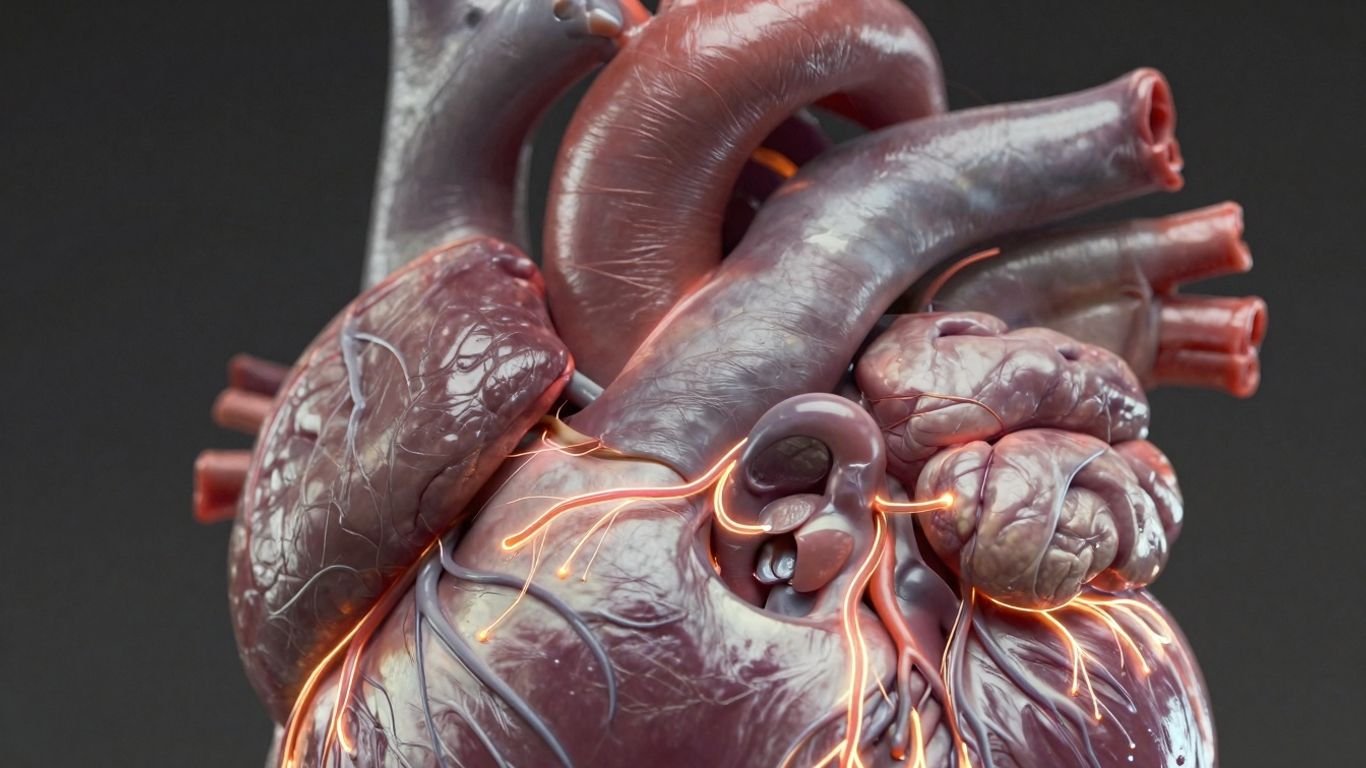
So, what actually happens inside the heart as it gets older? It’s not just one thing, but a bunch of cellular changes that add up. Think of it like an old car – parts start to wear out. In the heart, this means cells might not divide as well, and the way they communicate can get a bit jumbled. We see an increase in senescent cells, which are basically old, worn-out cells that stop dividing but don’t die off. Instead, they hang around and can cause problems by releasing inflammatory signals. This whole process contributes to the heart becoming stiffer and less efficient over time.
The Role of Oxidative Stress and Inflammation
Oxidative stress is a big player here. It’s like rust forming on that old car. Our cells produce energy, and a byproduct of this is unstable molecules called free radicals. Normally, our bodies have ways to neutralize these, but as we age, this balance can shift. Too many free radicals can damage cell structures, including DNA and proteins in the heart. This damage then triggers inflammation, which is the body’s response to injury or irritation. While inflammation is good in the short term to help heal, chronic, low-level inflammation, often called “inflammaging,” becomes a problem. It creates a persistent environment that further damages heart cells and tissues, making them less functional and contributing to the aging of the heart.
Autonomic Nervous System and Heart Aging
The autonomic nervous system (ANS), which includes the vagus nerve, plays a significant role in how our heart ages. The ANS controls many automatic functions, like heart rate and blood pressure. As we get older, the balance within the ANS can shift. We often see a decrease in parasympathetic activity (the “rest and digest” part, which includes vagal tone) and an increase in sympathetic activity (the “fight or flight” response). This imbalance means the heart might be under more constant stress, beating faster and not recovering as well. This shift in autonomic balance is strongly linked to a decline in heart rate variability (HRV), a key indicator of cardiovascular health and resilience. When the vagus nerve’s influence wanes, the heart loses some of its ability to adapt to changing demands, which is a hallmark of aging.
The interplay between cellular wear and tear, ongoing inflammation, and a less balanced autonomic nervous system creates a perfect storm for cardiac aging. Each factor exacerbates the others, leading to a gradual loss of the heart’s youthful function and adaptability.
Therapeutic Potential of Vagus Nerve Stimulation
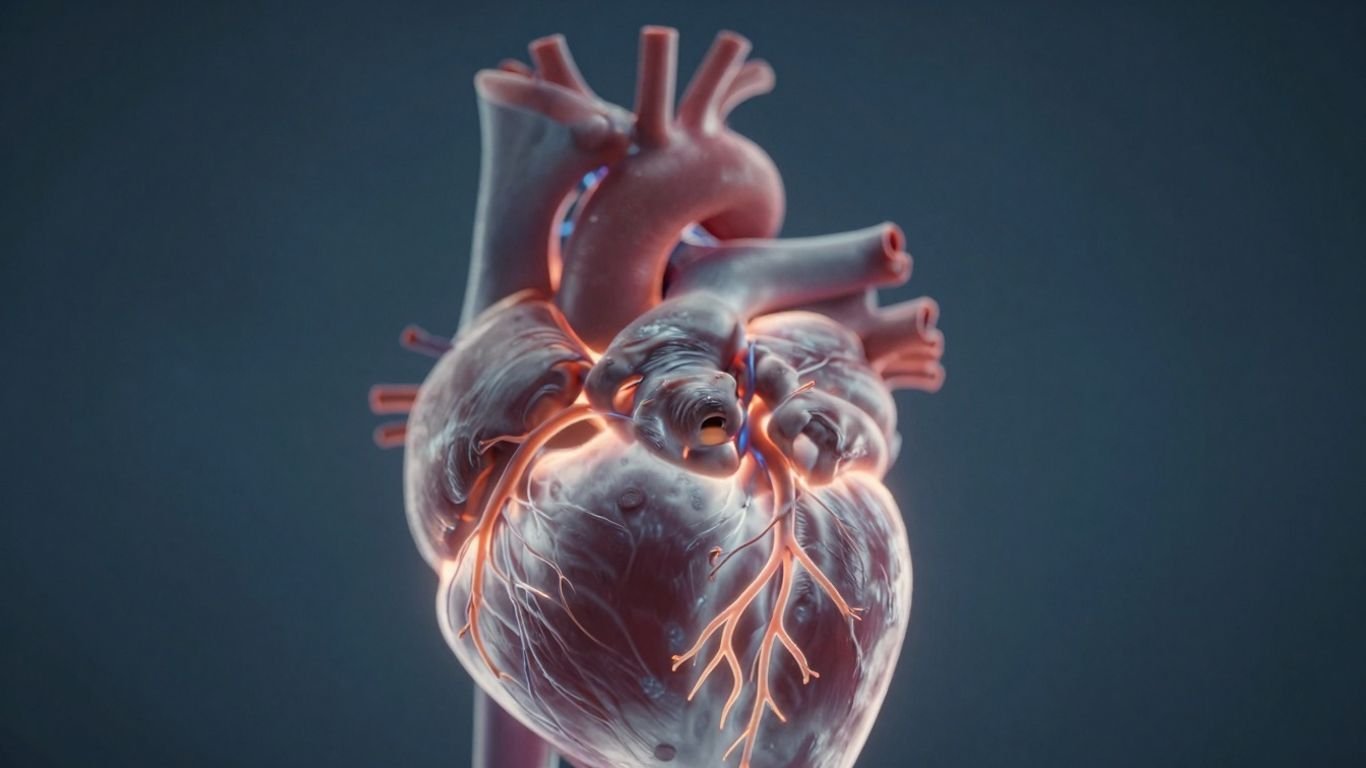
It’s pretty amazing to think that we might be able to use our own bodies’ systems to help keep our hearts young and healthy, right? Well, that’s where vagus nerve stimulation (VNS) comes into play. For a while now, doctors have been using invasive VNS, which involves surgery to implant a device, to help with things like epilepsy and depression. But the real excitement lately is around non-invasive methods. These techniques aim to get the same benefits without the surgery.
Non-Invasive Stimulation Techniques
So, how do these non-invasive methods work? The most common approach is called transcutaneous vagus nerve stimulation, or tVNS. It usually involves placing small electrodes on the skin, often behind the ear, to stimulate the vagus nerve. Think of it like a gentle nudge to get the nerve talking to your organs. Different devices use various settings – like frequency, strength, and how long they stimulate – to achieve different effects. It’s a bit like tuning a radio to get the clearest signal.
- Transcutaneous Auricular VNS (t-VNS): Electrodes placed on the skin of the outer ear.
- Transcutaneous Cervical VNS (tcVNS): Electrodes placed on the skin of the neck.
These methods are being explored for a whole range of conditions, not just heart health. We’re seeing research into how they might help with things like headaches, mood disorders, and even cognitive function. The idea is to tap into the vagus nerve’s natural ability to calm the body and improve communication between the brain and heart. This approach is showing promise in studies looking at early heart damage, like after a heart attack [e1fc].
Modulating Autonomic Function
One of the key ways VNS helps is by influencing the autonomic nervous system, which controls a lot of our involuntary bodily functions, including heart rate and blood pressure. Specifically, it can boost parasympathetic activity, often called the ‘rest and digest’ system. This helps to counteract the ‘fight or flight’ stress response that can wear down our bodies over time. By increasing vagal tone, we can improve heart rate variability (HRV), a sign of a flexible and resilient cardiovascular system. A higher HRV generally means your heart can adapt better to different situations, which is a good indicator of heart health.
Here’s a simplified look at how it works:
- Stimulation: tVNS sends signals through the skin to activate the vagus nerve.
- Brain Signal: These signals travel to the brain, influencing areas that control the autonomic nervous system.
- Autonomic Balance: The brain then adjusts signals sent to the heart and other organs, promoting a more balanced state.
- Heart Benefits: This can lead to a slower heart rate, reduced inflammation, and improved blood flow.
The vagus nerve acts as a vital communication line, carrying messages between the brain and the heart. When this line is clear and active, it helps maintain a steady rhythm and protects the heart from the damaging effects of chronic stress. Non-invasive stimulation aims to strengthen this connection.
Applications for Anti-Aging Strategies
So, how does this tie into keeping our hearts young? As we age, our vagal tone naturally tends to decrease, which can contribute to a stiffer heart and reduced ability to cope with stress. By using VNS, we might be able to reverse some of that age-related decline. It’s not about stopping time, but about helping the heart function more efficiently and resiliently, much like it did when it was younger. This could mean better blood pressure control, a more stable heart rhythm, and overall improved cardiovascular health as we get older. The research is still ongoing, but the potential for VNS as a tool to support healthy aging is really quite exciting.
International Study Insights
Key Findings on Vagal Nerve Function
So, what did this big international study actually uncover about our vagus nerve and its connection to a healthy heart? Well, it seems like keeping that nerve active is pretty important for keeping your heart ticking along nicely as you get older. The researchers looked at a bunch of different things, but a major takeaway was how vagal tone – basically, how well your vagus nerve is working – seems to directly influence how the heart ages. They found that people with higher vagal tone tended to show fewer signs of cardiac aging. It wasn’t just a small difference either; it was noticeable across the board.
Implications for Preserving Heart Youth
This is where things get really interesting for all of us. If a strong vagus nerve helps keep the heart young, then figuring out how to boost or maintain that nerve’s function could be a game-changer. Think about it: instead of just focusing on the heart itself, we might be able to influence its health by working on the brain-heart connection. This study suggests that activities or therapies that support vagal nerve activity could be a new way to look at preventing age-related heart issues. It’s like finding a secret backdoor to heart health.
Future Directions in Research
Of course, science never really stops, right? This study opens up a lot of new questions. The researchers are keen to explore how exactly we can best support the vagus nerve. Are there specific exercises, diets, or even new kinds of treatments that could help? They also want to see if these findings hold up in even larger, more diverse groups of people. It’s a promising start, but there’s definitely more work to be done to turn these insights into practical advice for everyone.
The study highlighted that the vagus nerve acts like a crucial messenger, constantly relaying information between the brain and the heart. When this communication line is strong, it helps regulate heart rate and blood pressure, keeping the heart from being overworked. Over time, if this signal weakens, the heart can start to show signs of stress and aging.
The Takeaway
So, what does all this mean for us? Basically, this study is showing us that the vagus nerve is a pretty big deal when it comes to keeping our hearts healthy as we get older. It’s like a direct line between our brain and our heart, and when it’s working well, it helps keep things running smoothly. It’s pretty wild to think that a nerve can have such a big impact on something as vital as our heart’s youthfulness. It makes you wonder what else we might discover about this connection down the road. For now, it’s a good reminder that taking care of our overall health, including our brain and nervous system, is super important for our heart too.
Frequently Asked Questions
What is the vagus nerve and why is it important for the heart?
The vagus nerve is like a superhighway connecting your brain to many of your body’s organs, including your heart. It plays a big role in keeping your heart healthy by helping to control its rhythm and how it responds to stress. Think of it as a messenger that tells your heart to slow down when needed, which helps keep it young and strong.
How does the vagus nerve help keep the heart young?
When the vagus nerve is working well, it helps your heart beat at a steady pace and react smoothly to different situations. This steady rhythm, known as heart rate variability, is a sign of a healthy heart. A strong vagus nerve helps prevent the heart from getting worn out too quickly, kind of like how regular maintenance keeps a car running smoothly for longer.
What is heart rate variability (HRV)?
Heart rate variability, or HRV, is the tiny variations in the time between each heartbeat. It’s not about your heart skipping a beat, but rather the natural ebb and flow of your heart rate. Higher HRV usually means your body is good at adapting to changes and is a sign of a healthy heart and a well-functioning vagus nerve.
Can the vagus nerve change as we get older?
Yes, just like many parts of our body, the vagus nerve can become less active as we age. This means its ability to control the heart might not be as strong. This is why scientists are studying how to keep the vagus nerve healthy throughout life to help maintain heart health.
What is vagus nerve stimulation?
Vagus nerve stimulation is a way to ‘wake up’ or boost the activity of the vagus nerve. It can be done using devices that send gentle electrical signals to the nerve, often through the skin. This stimulation can help improve the nerve’s connection to the heart and other organs, potentially making the heart healthier.
What did the international study find about the vagus nerve and heart health?
This study looked closely at how the vagus nerve affects the heart, especially as people get older. It confirmed that a strong vagus nerve is super important for keeping the heart feeling young and working its best. The findings suggest that by understanding and potentially boosting vagus nerve function, we might find new ways to protect our hearts as we age.