Comprehensive Guide to Liver Cirrhosis Management and Treatment
Finding out you have liver cirrhosis can feel overwhelming, but modern medicine offers many ways to protect your health. This guide will teach you how to manage the condition and what treatments are available to improve your quality of life. First, we will look at the causes and stages of the disease. Next, we will discuss essential lifestyle and diet changes. Finally, we will explore advanced medical options like liver transplants.,
Understanding the Basics of Liver Cirrhosis
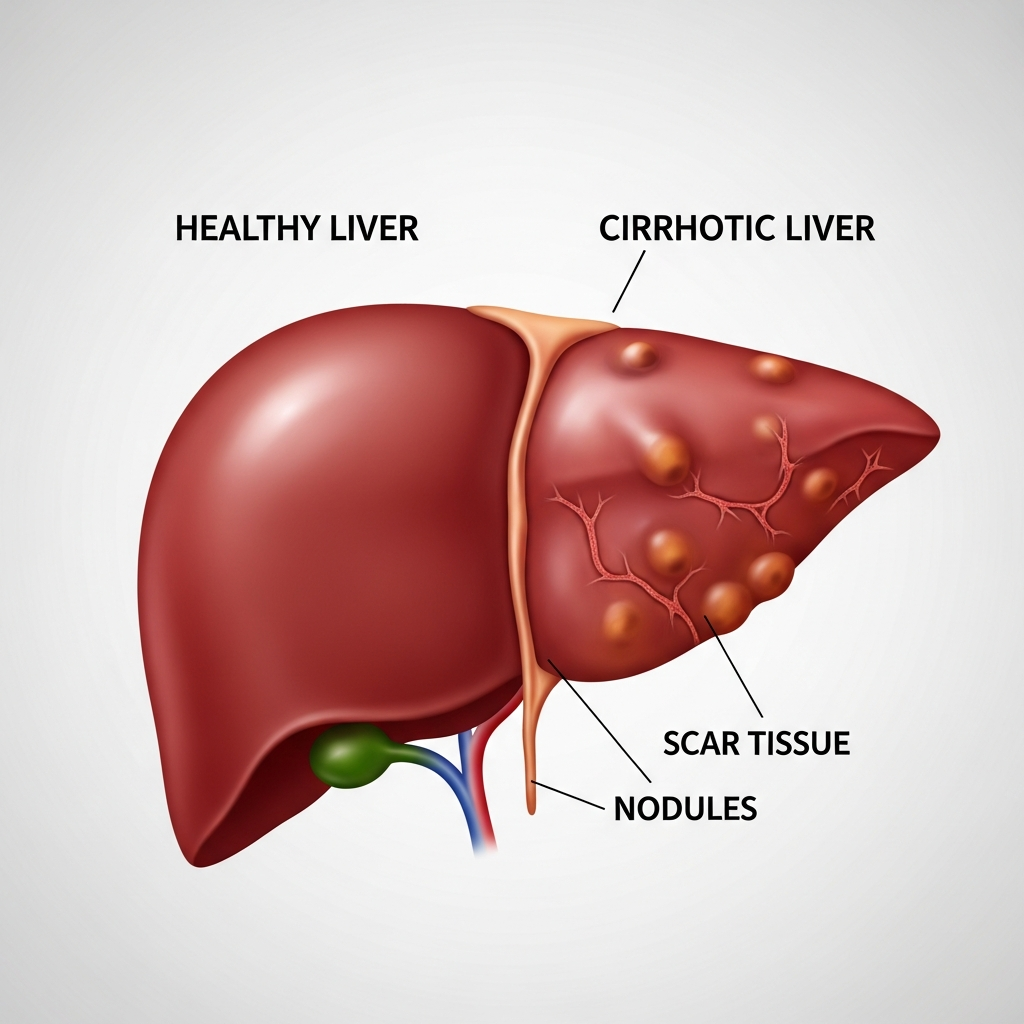
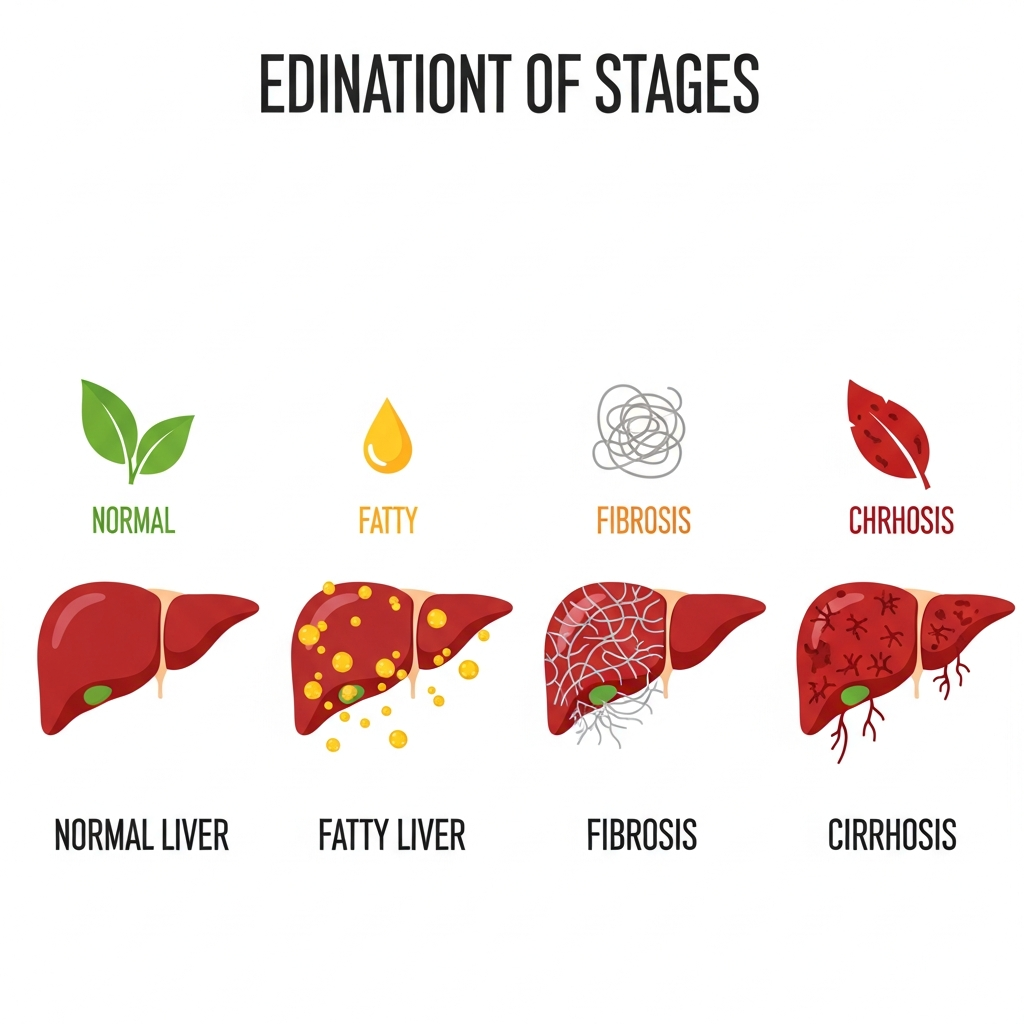
Liver cirrhosis is the late stage of chronic liver disease. It happens when healthy liver tissue is replaced by permanent scar tissue., Over many years, this scarring stops the organ from working properly.,
Identifying Common Causes and Risk Factors
First, it is vital to know why cirrhosis happens. The most common causes include:
- Chronic Viral Hepatitis: Hepatitis B and C cause long-term inflammation.,
- Alcohol-Associated Liver Disease: Drinking too much alcohol over many years damages cells.,
- Metabolic Dysfunction-Associated Steatohepatitis (MASH): Formerly called NASH, this is fat buildup related to obesity and diabetes.,
- Genetic Disorders: Conditions like Wilson disease or haemochromatosis can cause toxic metal buildup.,
Recognizing the Symptoms of Cirrhosis
Next, you must watch for signs that the liver is struggling. In the early stages, you may have no symptoms at all., As the damage grows, you might notice:
- Feeling very tired or weak.,
- Itchy skin and poor appetite.,
- Yellowing of the skin and eyes, known as jaundice.,
- Easy bruising or bleeding.,
Clinical Stages: Compensated vs. Decompensated Cirrhosis
The clinical stages of cirrhosis are dynamic and determine your treatment path. Doctors divide the disease into two main categories.,
Compensated Cirrhosis
First, there is compensated cirrhosis. At this stage, the liver is scarred but can still perform its vital functions., Most patients feel healthy and have no symptoms., The median survival time for patients in this stage is often over 12 years.,
Decompensated Cirrhosis
Next is decompensated cirrhosis. This is a more serious stage where the liver can no longer keep up with the body’s needs., You may develop overt complications like fluid buildup or confusion., Once these symptoms appear, the median survival drops to about two years without a transplant.,
Effective Strategies for Liver Cirrhosis Management
The main goal of liver cirrhosis management and treatment is to stop further damage. While you cannot always reverse scarring, you can often slow it down.,
Treating the Underlying Cause
First, doctors must address the “trigger” of the inflammation. For example:
- Antiviral drugs can cure Hepatitis C or control Hepatitis B.,
- Stopping alcohol intake completely can allow the liver to regenerate.,
- Weight loss and diabetes control help those with fatty liver disease.,
Vital Lifestyle Changes and Home Care
Next, you must take control of your daily habits. Complete abstinence from alcohol is the most important step for every patient., You should also:
- Avoid raw shellfish: These can carry bacteria that are deadly to people with liver disease.,
- Check medications: Always ask your doctor before taking painkillers like ibuprofen or aspirin.,
- Stay active: Gentle exercise like light walking helps maintain muscle strength.,
- Get vaccinated: Protection against Hepatitis A, B, and the flu is essential.,
Nutritional Therapy: The Backbone of Treatment
Nutrition is a critical part of liver cirrhosis management and treatment. Because the liver stores nutrients, damage leads to malnutrition and muscle loss.,
Implementing a Low-Sodium Diet

First, you must limit your salt intake. Sodium makes the body hold onto water, which causes dangerous swelling.,
- Daily Limit: Aim for less than 2,000 mg of sodium per day.,
- Avoid Processed Foods: Canned soups, deli meats, and fast food are often very high in salt.,
- Use Herbs: Season your food with lemon juice, vinegar, or salt-free spices instead.,
The Importance of a High-Protein Diet
Next, you need more protein than you did before. Cirrhosis is a “catabolic” disease, meaning your body burns energy and muscle quickly.,
- Protein Goal: Aim for 1.2 to 1.5 grams of protein for every kilogram of your body weight.,
- Small, Frequent Meals: Eat every 2 to 4 hours while you are awake to prevent muscle breakdown.,
- Late-Night Snack: Have a high-protein snack, like Greek yogurt or a protein drink, before bed.,
Treating Decompensated Cirrhosis and Its Complications
When the disease progresses, specific liver cirrhosis treatments are needed for complications. These issues require close medical supervision.,
Managing Ascites and Fluid Buildup
Ascites is the buildup of fluid in the belly., Management includes:
- Diuretics: These “water pills” help your kidneys remove excess salt and fluid.,
- Paracentesis: A doctor uses a needle to drain fluid directly from the abdomen for relief.,
- Daily Weighing: Track your weight every morning. Call your doctor if you gain more than 2–3 pounds in one day.,
Addressing Hepatic Encephalopathy (HE)
This condition causes confusion because the liver cannot clear toxins like ammonia from the blood.,
- Lactulose: This syrup traps toxins in the gut and flushes them out through bowel movements.,
- Rifaximin: This antibiotic lowers the risk of severe confusion episodes.,
- Protein Safety: Never restrict protein to treat HE; your muscles actually help clean your blood.,
Preventing Bleeding from Oesophageal Varices
Varices are enlarged veins in the food pipe that can burst and cause life-threatening bleeding.,
- Beta-blockers: Medications like propranolol or nadolol lower the pressure in these veins.,
- Banding (EBL): During an endoscopy, a doctor places tiny rubber bands on the veins to stop them from bleeding.,
Advanced Medical Procedures and Liver Transplant
When standard liver cirrhosis management and treatment are no longer enough, advanced options are considered.,
When is a Liver Transplant Necessary?
A liver transplant is the only definitive cure for cirrhosis. Doctors recommend it when the liver is in active failure or you have liver cancer., You will be referred for evaluation if your “MELD score” reaches a certain level, usually 10 or higher.
Understanding the TIPS Procedure
The TIPS procedure creates an internal tunnel in the liver to improve blood flow. This reduces portal hypertension and helps control refractory ascites or variceal bleeding., However, it can sometimes increase confusion (HE).
The Future of Liver Cirrhosis Treatment and Prediction
Exciting new research is changing how we handle this condition. Scientists are finding ways to detect and treat cirrhosis earlier than ever before.,
Innovations in Antifibrotic Drug Pairs
New studies show that a pair of everyday drugs—silybin and carvedilol—may be able to stop or even reverse liver scarring., While still in the experimental stage, this duo targets the root drivers of fibrosis more effectively than either drug alone.,
Early Prediction Through Machine Learning
Artificial intelligence can now predict cirrhosis up to three years before it happens. By looking at routine health records, these machine learning models can identify high-risk patients much earlier than traditional tests., This allows for faster intervention to prevent the disease from getting worse.
Expert Insights: A Medical Professional’s Opinion
In my professional experience, the most successful patients are those who view their health as a team effort. Cirrhosis is a serious “wake-up call”, but it is not an immediate death sentence. Many patients live long, full lives by strictly following their nutritional and medication plans. The keys to success are total alcohol avoidance, a high-protein diet, and never missing your six-month cancer screenings. Consistency is your best medicine.,
Conclusion
Managing liver cirrhosis is a lifelong commitment, but you do not have to do it alone. By combining a healthy lifestyle with modern medical treatments, you can protect your liver and stay out of the hospital., Always stay in close contact with your hepatology team and keep learning about your health.,
Analogy: Think of your liver like a filter in a swimming pool. If the filter is clogged with debris (scarring), the water becomes dirty (toxins build up). Liver cirrhosis management and treatment act like a deep-cleaning service, removing the debris where possible and helping the pool run smoothly despite the wear and tear.
FAQs about Liver Cirrhosis
- Can I exercise if I have fluid buildup (ascites)?
- Yes, gentle activity is encouraged. However, you should avoid heavy lifting or straining that increases pressure in your belly.,
- What are the most important diet changes?
- The two most vital changes are a strict low-sodium diet (under 2,000 mg/day) and a high-protein intake (1.2–1.5g/kg) to prevent muscle loss.,
- When should I call my doctor immediately?
- Seek urgent help if you experience a fever, sudden confusion, vomiting blood, or rapid weight gain (over 2 pounds in a day).,
- Is cirrhosis always caused by alcohol?
- No. While alcohol is a common cause, viral hepatitis and fatty liver disease (MASH) are also leading causes.,