The Life and Legacy of Melanie Watson Bernhardt: A Trailblazing Journey
Introduction
The world recently lost a quiet but powerful trailblazer. Melanie Watson Bernhardt, known for her role on the classic sitcom Diff’rent Strokes, passed away on 26 December 2025 at the age of 57. News of her death brought renewed attention to her life and work.

Many people remember her as Kathy Gordon, a confident girl in a wheelchair who challenged Arnold Jackson’s assumptions. However, her influence extended far beyond television. Melanie Watson Bernhardt’s legacy includes disability advocacy, nonprofit leadership, and public service.
This article explores her early life, acting career, challenges on set, and lifelong commitment to independence for people with disabilities.
Early Life and Breakthrough: Melanie Watson Bernhardt on Diff’rent Strokes
Melanie Watson was born on 20 July 1968 in Dana Point, California. She was diagnosed at birth with osteogenesis imperfecta, commonly known as brittle bone disease. This rare genetic condition causes bones to fracture easily.

Many individuals with this condition face serious physical challenges. Life expectancy is often predicted to be shorter. Despite this, Melanie lived well beyond those expectations and remained active throughout her life.
From a young age, she showed determination and confidence. These qualities later shaped her career and advocacy work.
Becoming Kathy Gordon
At the age of 13, Melanie Watson was discovered at a YMCA by a talent scout. The scout was searching for disabled swimmers for a television role. This moment changed her life.
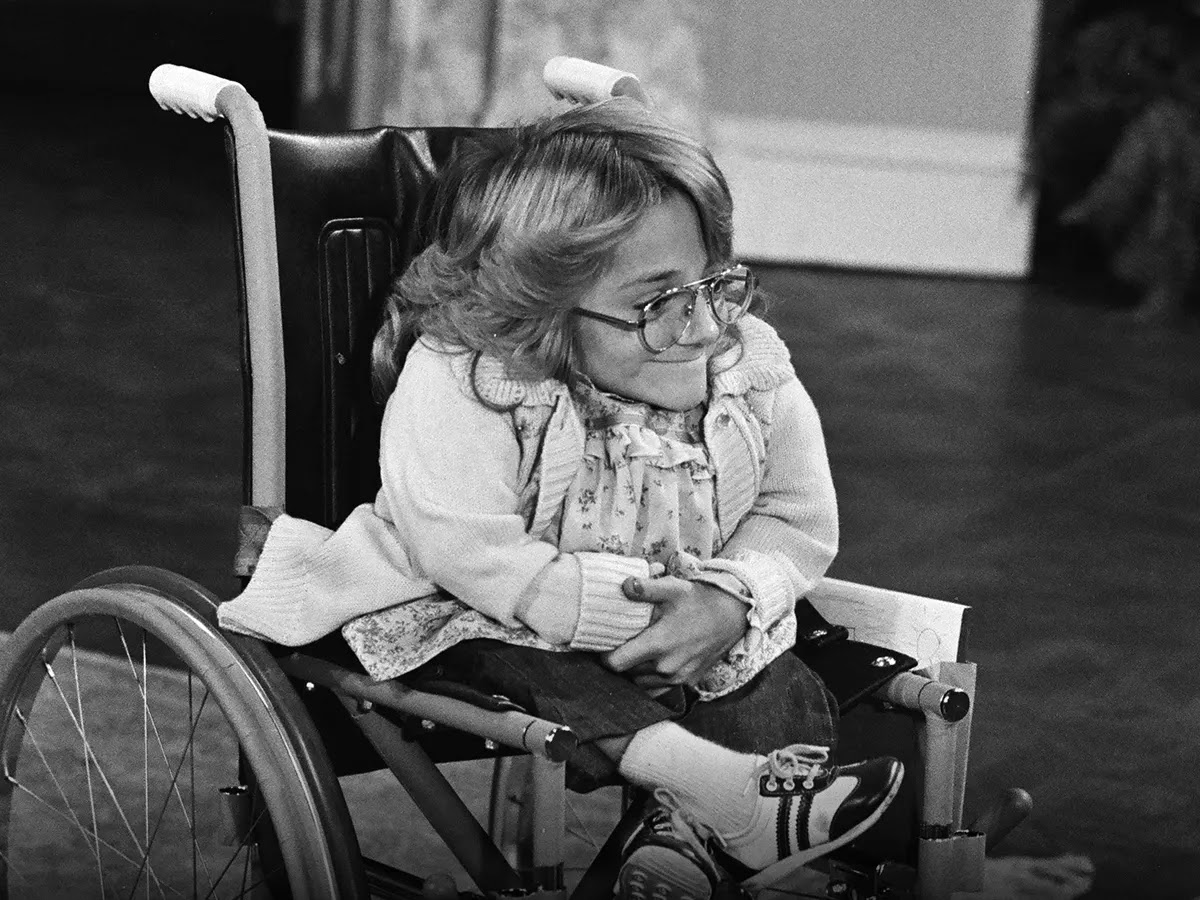
She was cast as Kathy Gordon on the NBC sitcom Diff’rent Strokes. Between 1981 and 1984, she appeared in four episodes of the show.
Her casting was significant. She was a disabled actress playing a disabled character at a time when such representation was rare on television.
A Groundbreaking Performance
Melanie’s performance stood out because it was honest and realistic. She did not portray disability as something tragic or inspirational. Instead, she played a confident and independent young girl.
One of her most memorable appearances was in the 1982 episode titled “Kathy.” In this episode, her character strongly disagreed with Arnold Jackson, who tried to convince her to walk.
The episode challenged stereotypes and promoted respect for personal choice. It remains one of the most meaningful disability-related episodes in 1980s television.
Behind the Scenes: Challenges on Set
Although her performances appeared effortless, working on a television set was physically demanding. In later interviews, Melanie Watson Bernhardt spoke openly about the accessibility challenges she faced.
Television studios in the 1980s were not designed for wheelchair users. Electrical cords and equipment covered the floors.
She recalled that crew members often carried her between sets because her wheelchair could not move safely through the cables. While the crew was supportive, the environment itself was not accessible.
The “Kathy” Episode Controversy
The famous “Kathy” episode was also the most difficult for Melanie personally. The script required her to walk using crutches.
In real life, she was deeply afraid of crutches due to a serious fall in the past. She expressed her concerns but was encouraged to continue.
Melanie later described the experience as emotionally challenging. Despite her fear, she completed the scene with professionalism.
Her honesty about this moment later helped raise awareness about the pressures faced by disabled performers.
Life After Acting
After Diff’rent Strokes ended, Melanie Watson Bernhardt stepped away from acting. She chose not to pursue further roles in television or film.

Instead, she dedicated her life to advocacy, leadership, and service. This decision marked the most impactful phase of her career.
Advocacy and Service: The Enduring Legacy of Melanie Watson Bernhardt
Melanie focused her efforts on improving independence and quality of life for people with disabilities. Her advocacy work was practical and long-term.
She believed in real solutions rather than symbolic gestures.
Founding Train Rite
One of her most important contributions was her involvement with Train Rite, a nonprofit organization. The organization trains rescue dogs to become service animals.
These dogs assist individuals with physical disabilities in daily tasks. They also provide emotional support and companionship.
Through this work, Melanie helped expand access to trained service animals and promoted rescue dog adoption.
Leadership at Couiffie’s Ranch
In 2019, Melanie Watson Bernhardt reportedly became the CEO of Couiffie’s Ranch. The organization focuses on helping people with disabilities live more independent lives.
Programs emphasized confidence, skill-building, and community participation. Under her leadership, the organization promoted dignity and self-reliance.
Career in Child Welfare and Family Advocacy
In addition to disability advocacy, Melanie spent nearly 20 years working in child welfare and family advocacy. She supported vulnerable children and families during difficult circumstances.
Her work required patience, empathy, and resilience. Colleagues described her as compassionate and dependable.
Public Service: Vice Mayor of Newton, Kansas
At the time of her passing, Melanie Watson Bernhardt was serving as the Vice Mayor of Newton, Kansas. Her term was set from 2025 to 2029.
As a disabled public official, her role carried deep meaning. She represented communities often excluded from leadership positions.
She advocated for accessibility, inclusion, and local development at the community level.
Personal Life
Melanie Watson Bernhardt was married to Roger Bernhardt from 1994 to 1996. She remained close to her family throughout her life.
She is survived by her brother, Robert Watson, who spoke publicly following her passing.
Those who knew her described her as principled, warm, and resilient.
Final Chapter and Passing
Melanie Watson Bernhardt passed away in Colorado Springs, Colorado, after a brief hospitalization due to internal bleeding.
According to her family, her condition worsened rapidly. Despite this, they emphasized gratitude for her long and meaningful life.
She lived far beyond expectations and left a lasting impact.
Why Melanie Watson Bernhardt’s Legacy Matters
The life and legacy of Melanie Watson Bernhardt connect entertainment, advocacy, and public service. She proved that disability does not limit leadership or influence.
Her impact continues through:
Disability representation in media
Service dog accessibility
Community leadership
Advocacy for independence and dignity
Conclusion
Melanie Watson Bernhardt’s journey bridged two eras. She moved from 1980s television to modern disability advocacy and public leadership.
She challenged stereotypes quietly and served her community with dedication. Her story remains a powerful example of resilience, purpose, and service.
Frequently Asked Questions
What was Melanie Watson Bernhardt’s most famous role?
She was best known for playing Kathy Gordon on Diff’rent Strokes.
What medical condition did Melanie Watson Bernhardt have?
She was born with osteogenesis imperfecta, also known as brittle bone disease.
What was Melanie Watson Bernhardt’s contribution to charity?
She helped establish Train Rite, a nonprofit that trains rescue dogs as service animals.
Did Melanie Watson Bernhardt serve in government?
Yes, she served as the Vice Mayor of Newton, Kansas.