Learn about spinal muscular atrophy (SMA), its causes, and latest treatments. Discover management tips and how to live with this genetic condition.
Spinal Muscular Atrophy: A Comprehensive Guide to Symptoms, Types, and Modern Treatments
Spinal muscular atrophy was once the leading genetic cause of infant mortality. Today, new treatments are changing the lives of many families. In this guide, you will learn about the causes of SMA disease.We will cover the different types and how to spot SMA symptoms early. Finally, you will explore the latest spinal muscular atrophy treatment options and home exercises.

What Causes Spinal Muscular Atrophy Disease?
Spinal muscular atrophy is an autosomal recessive neuromuscular condition. It affects approximately 1 in 11,000 to 15,000 live births. The disease causes a progressive loss of motor neurons in the spinal cord. This leads to muscle wasting and weakness throughout the body.

The Role of the SMN1 Gene
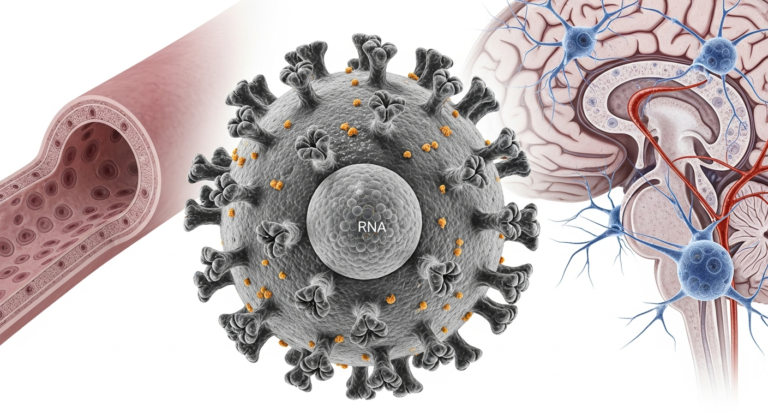
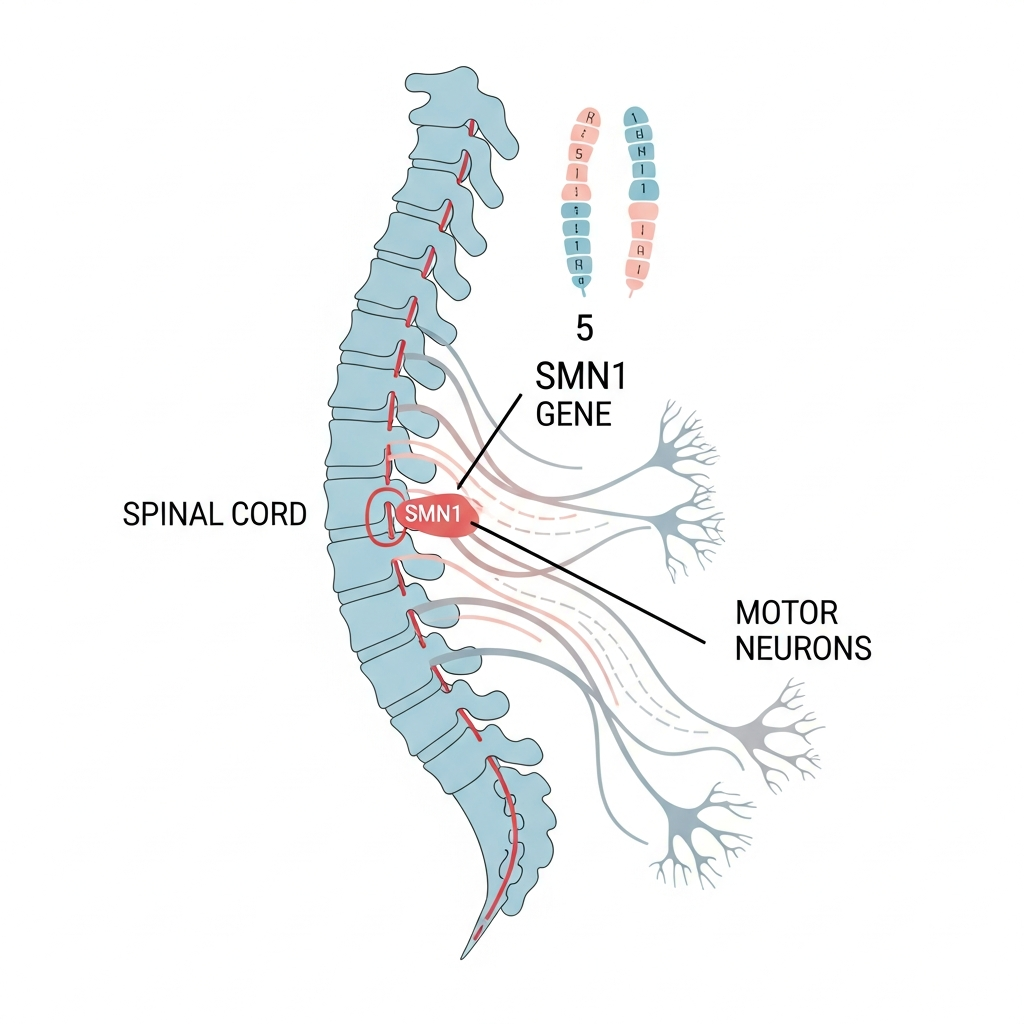
A mutation in the SMN1 gene on chromosome 5q causes most cases. This gene is responsible for making the Survival Motor Neuron (SMN) protein. Without this protein, alpha motor neurons in the spinal cord begin to die. Healthy motor neurons are needed for the brain to talk to your muscles. When these cells fail, the muscles cannot receive signals to move.
How the SMN2 Gene Modifies Severity
Humans also have a “backup” gene called SMN2. This gene produces a small amount of functional SMN protein. The number of SMN2 copies a person has often determines the severity of SMA disease. Having more copies usually leads to a milder form of the condition. Some people have two copies, while others may have four or more. This genetic variation explains why spinal muscular atrophy affects people differently.
Understanding the Different Types of Spinal Muscular Atrophy
Doctors traditionally group the disease into five main types. These types are based on when the first symptoms appear. They also depend on the physical milestones a person can reach. Understanding these types helps families plan for the right care.
Type 0 (Prenatal) and Type 1 (Werdnig-Hoffmann Disease)
Type 0 is the rarest and most severe form of the disease. It starts before birth while the baby is still in the womb. Infants are born with very weak muscle tone and breathing problems. Most infants with Type 0 do not survive past a few months without treatment.
Type 1 is also known as Werdnig-Hoffmann disease. It accounts for about 60% of all cases. Symptoms usually show up before a baby is six months old. These babies can never sit up without help. They often have trouble sucking, swallowing, and breathing.
Type 2 (Intermediate) and Type 3 (Kugelberg-Welander Disease)
Type 2 symptoms often appear between 6 and 18 months of age. Children with Type 2 can sit up but cannot stand or walk alone. They often develop scoliosis, which is a curve in the spine. This can make breathing harder as the child grows.
Type 3 is a milder form that develops after 18 months of age. These individuals develop the ability to stand and walk. However, they may lose this ability as they get older. Common signs include frequent falls and trouble with stairs. Life expectancy for Type 3 is usually normal.
Type 4 (Adult-Onset) and Rare Variants
Type 4 is the mildest form of spinal muscular atrophy. It usually begins after the age of 35. Most people with Type 4 stay mobile throughout their lives.
There are also rare forms not linked to chromosome 5q. One example is SMA with respiratory distress (SMARD). This type causes severe breathing issues in early infancy. Another rare form is Kennedy’s disease. This adult-onset condition mostly affects males and progresses slowly.
Recognising Symptoms of Spinal Muscular Atrophy
Early detection is vital for the best health outcomes. SMA symptoms can vary greatly between individuals. However, there are common signs that parents and doctors should watch for.

Muscle Weakness and Motor Dysfunction
The main symptom is progressive muscle weakness. This weakness is usually “proximal,” meaning it is worse in the trunk. The legs are often weaker than the arms. Infants may seem “floppy” or have poor head control. They might not be able to reach normal motor milestones like rolling over.
Respiratory and Feeding Challenges
Weakness in the chest muscles leads to breathing problems. This makes children more likely to get respiratory infections. Some may struggle to suck or swallow safely. This can lead to poor weight gain or choking. In severe cases, a feeding tube may be needed for nutrition.
Breakthrough SMA Treatments and Disease-Modifying Therapies
The treatment landscape has changed quickly since 2017. We now have three approved disease-modifying therapies. These drugs aim to increase SMN protein levels in the body.
FDA and EMA Approved Drugs
First, Nusinersen (Spinraza) was approved in 2016. It is an antisense oligonucleotide given by a spinal injection. Patients receive four initial doses followed by maintenance every four months.
Next, Onasemnogene abeparvovec (Zolgensma) is a gene therapy. It uses a virus to deliver a healthy SMN1 gene into cells. This is a one-time treatment given through an IV infusion.
Finally, Risdiplam (Evrysdi) is the first oral treatment. It is a daily liquid taken by mouth or feeding tube. It helps the SMN2 gene make more functional protein.
The Critical Importance of Early Intervention
Newborn screening is becoming common in many countries. This allows doctors to find the disease before symptoms appear. Treatment in the presymptomatic stage can lead to normal development. Saving motor neurons before they die is the best strategy. Once neurons are lost, they cannot be replaced.
Physical Therapy and Management for Spinal Muscular Atrophy
Physical therapy is a core part of daily care. It helps maintain muscle strength and joint range of motion. You should always work with a trained healthcare provider.
Stretches and Developmental Exercises
Daily stretching helps prevent joint stiffness called contractures. For infants, tummy time is very important. It helps build head control and shoulder strength. You can use a therapy ball or wedge pillow to help.
- Neck stretches: Turn the head gently to each side.
- Shoulder stretches: Raise the arm toward the ceiling.
- Leg stretches: Move the knee toward the chest.
Exercises Based on Functional Ability
Exercises are grouped by what the person can do.
- Non-sitters: Use “anti-gravity” positions to help movement. You can support their limbs with your hands or slings.
- Sitters: Focus on reaching for toys to build core strength. Try reaching forward, sideways, and with rotation.
- Walkers: Use resistance bands or light weights. Step-up exercises and squats help build leg power.
Living with Spinal Muscular Atrophy: Psychosocial and Ethical Perspectives
Living with a chronic disease brings many challenges. It affects the whole family’s mental and emotional health.
Caregiver Support and Mental Health
Parents often feel high levels of stress and loss of sleep. They may worry about their child losing the ability to move. Support groups can help families feel less alone. Many parents also face a “stigma” regarding their child’s disability. Having a strong care team is essential for success.
Reproductive Choice and Genetic Screening
Couples can use carrier screening to see if they are at risk. This test can identify mutations before a child is conceived. Families may choose in vitro fertilization (IVF) with genetic testing. This process, called PGD, helps select embryos without the disease. These choices raise many ethical questions for parents and society.
Conclusion: The Future of Spinal Muscular Atrophy Research
Spinal muscular atrophy is moving from a fatal disease to a chronic one. New research is looking at combining different treatments. We are learning more about how the disease affects adults over time. While there is no cure yet, the outlook is brighter than ever. Families should work closely with experts to choose the best path.
FAQ Section
Can spinal muscular atrophy be cured?
There is currently no complete cure for SMA disease. However, modern treatments can stop the disease from getting worse. Some children may even gain new physical skills.
How is spinal muscular atrophy inherited?
It is an autosomal recessive condition. This means both parents must pass on a mutated gene for a child to have it. Carriers usually have no symptoms themselves.
What is the life expectancy for someone with SMA?
Life expectancy depends on the type and treatment. Type 1 infants used to survive less than two years. Now, many are living much longer thanks to new drugs. People with Type 3 and 4 often have a normal life span.
Is SMA testing included in newborn screenings?
Many places have added SMA to their newborn screening panels. This allows for rapid treatment right after birth. Early treatment is the key to preventing permanent nerve damage.
Analogy for Understanding SMA
Think of the motor neurons like a delivery service for your body. The brain is the head office, and the muscles are the customers waiting for packages (movement signals). In spinal muscular atrophy, the delivery trucks (motor neurons) break down because they lack a specific fuel (SMN protein). Without the trucks, the customers never get their packages, and the business shuts down. Modern treatments act like a mechanic, fixing the trucks or providing new fuel so the deliveries can continue.
Word Count Note: This article provides a high-level overview. For more details on specific exercises or clinical trial results, please consult the cited sources.